

In many industrial reverse osmosis (RO) systems, seasonal variations in feedwater temperature are often underestimated. As winter approaches and feedwater temperature drops, issues such as reduced water production, increased operating pressure, and fluctuations in permeate quality gradually become more apparent.
Understanding the mechanisms by which low temperature affects RO system performance is essential for maintaining stable operation and extending membrane service life.
Feedwater temperature is one of the key operating parameters influencing the efficiency, performance, and long-term reliability of industrial RO systems. Under low-temperature conditions, a series of physical, chemical, and operational factors can significantly alter overall system behavior.
1. Changes in Water Production
Phenomenon
Under standard reference conditions (25 °C), a decrease in feedwater temperature leads to a noticeable reduction in RO system water production. Using 25 °C (77 °F) as the reference point, permeate flux typically decreases by approximately 2–3% for every 1 °C drop in feedwater temperature (industry rule of thumb).
Cause
Water viscosity is closely related to temperature. As temperature decreases, water viscosity increases, resulting in higher resistance to water transport across the membrane surface.
At the same operating pressure, increased hydraulic resistance slows the passage of water molecules through the membrane, leading to reduced permeate production per unit time.
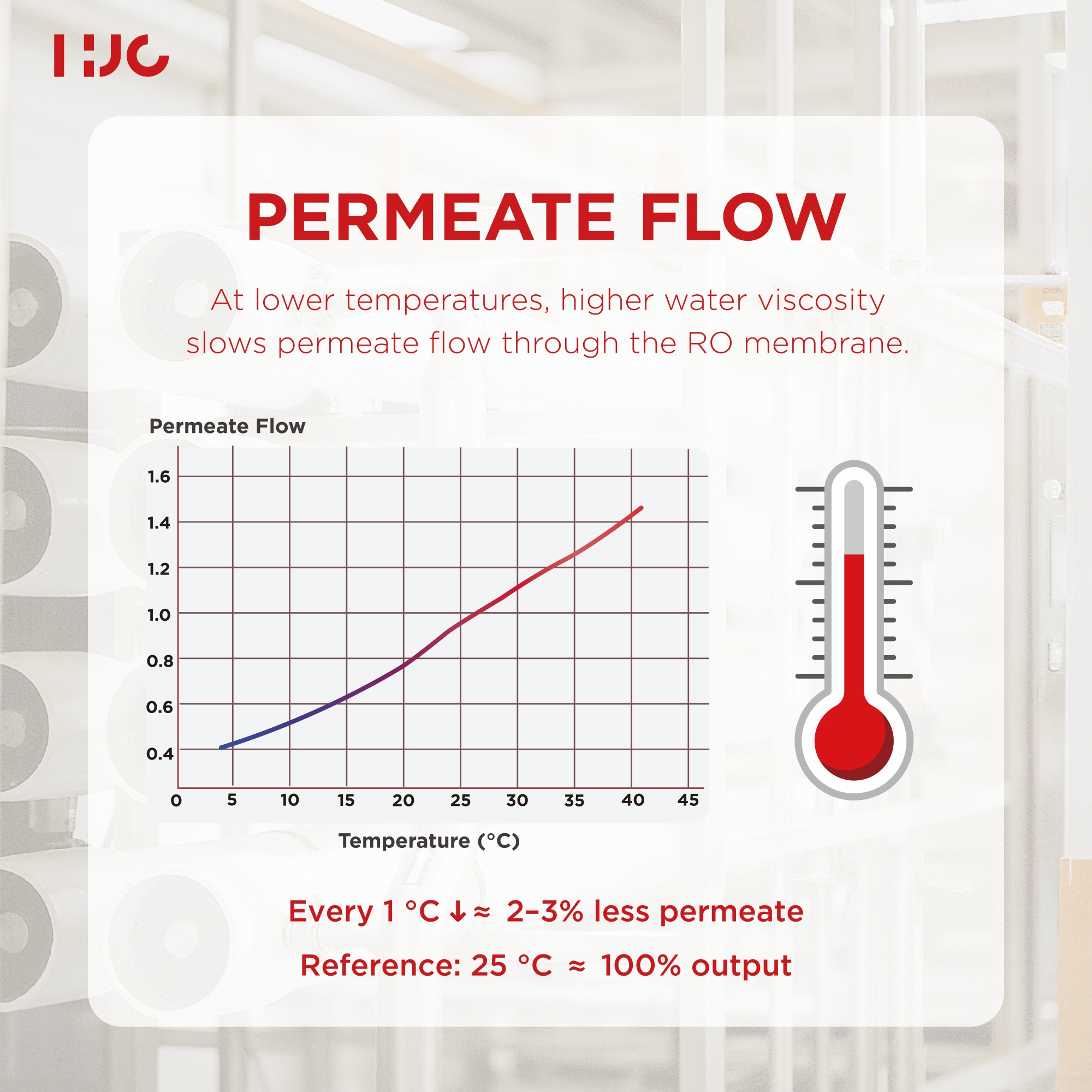
Figure 1. Effect of feedwater temperature on RO permeate flow
2. Changes in Salt Rejection
Phenomenon
Under low-temperature conditions, permeate conductivity often decreases, which appears as an increase in salt rejection.
Cause
Most industrial RO membranes are spiral-wound thin-film composite (TFC) polyamide membranes with an effective pore size typically smaller than 0.001 µm. Membrane structure undergoes slight thermal expansion and contraction with temperature changes:
At higher temperatures, membrane pores become relatively more “open,” resulting in increased water flux but also higher salt diffusion rates.
At lower temperatures, membrane pores tend to contract, reducing water flux while simultaneously slowing salt diffusion.
The combined effect of these mechanisms causes salt rejection values to appear slightly higher during low-temperature operation.
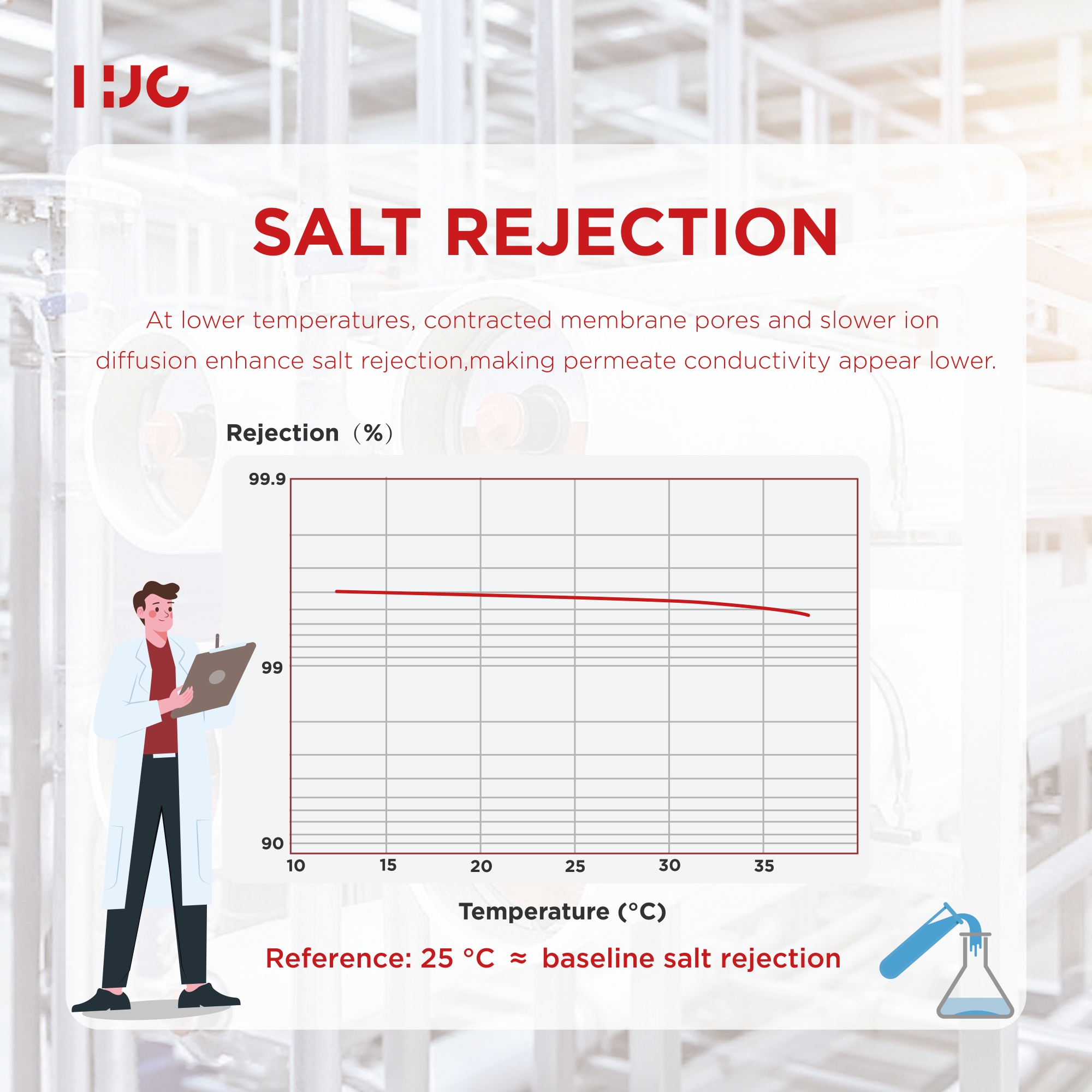
Figure 2. Effect of temperature on membrane permeability and salt diffusion
3. System Operating Pressure Requirements
Phenomenon
When feedwater temperature decreases, maintaining the original permeate flow typically requires an increase in operating pressure. If pressure is not adjusted, a reduction in permeate flow is unavoidable.
Cause
At low temperatures, increased water viscosity leads to higher hydraulic resistance. Since RO systems rely on transmembrane pressure to drive water through the membrane, operating pressure must be increased to compensate for the reduced permeability.
In addition, membrane pore contraction under low-temperature conditions further increases resistance to water transport.
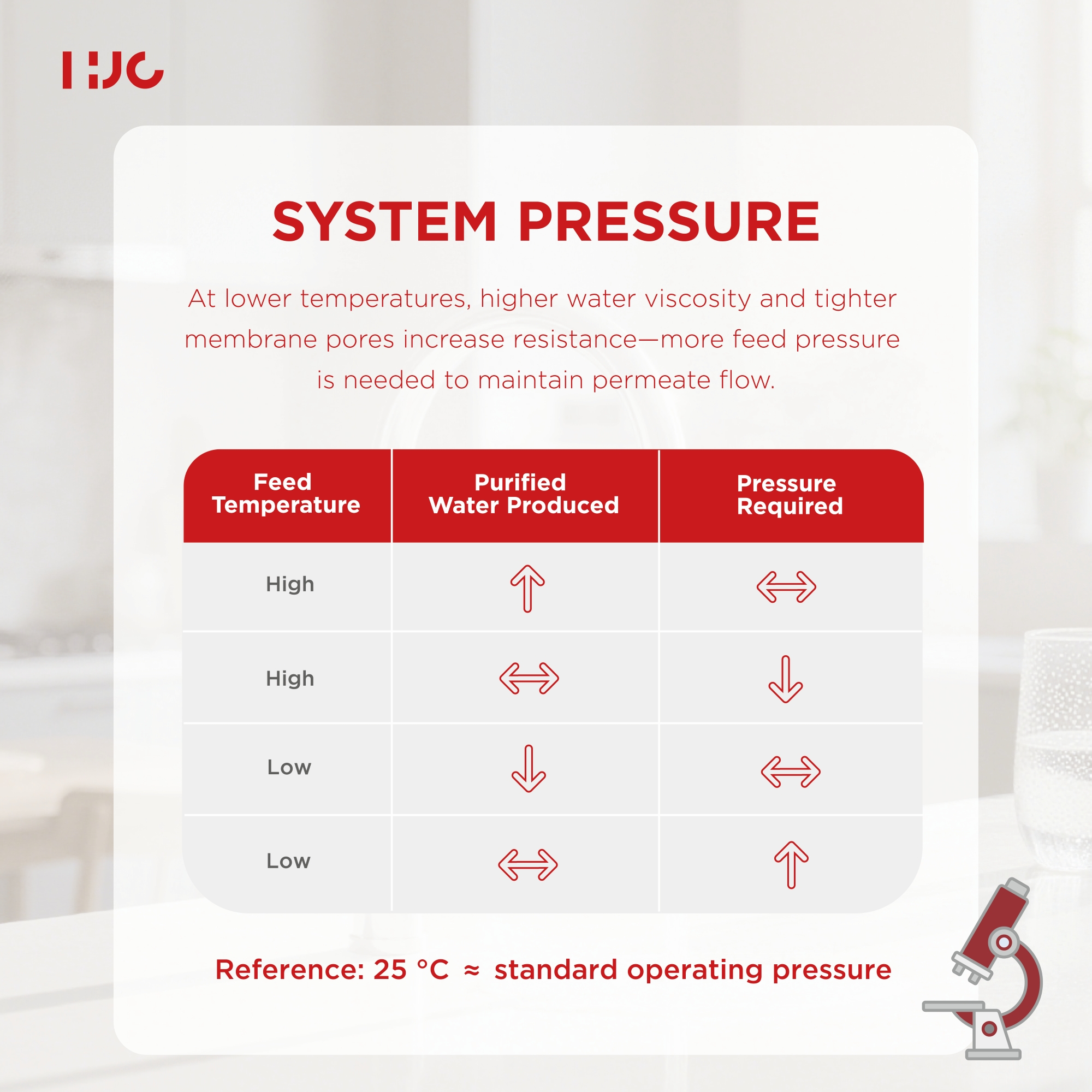
Figure 3. Relationship between temperature, viscosity, and operating pressure
4. Fouling and Scaling Risks
Silica Scaling
Under low-temperature conditions, the solubility of silica decreases. This effect is more pronounced at high recovery rates or elevated pH, increasing the risk of silica precipitation on the concentrate side of the membrane.
Biofouling
Although lower temperatures slow microbial growth, they also reduce chemical reaction rates and cleaning agent solubility during cleaning-in-place (CIP) processes. As a result, established biofilms may become more difficult to remove.
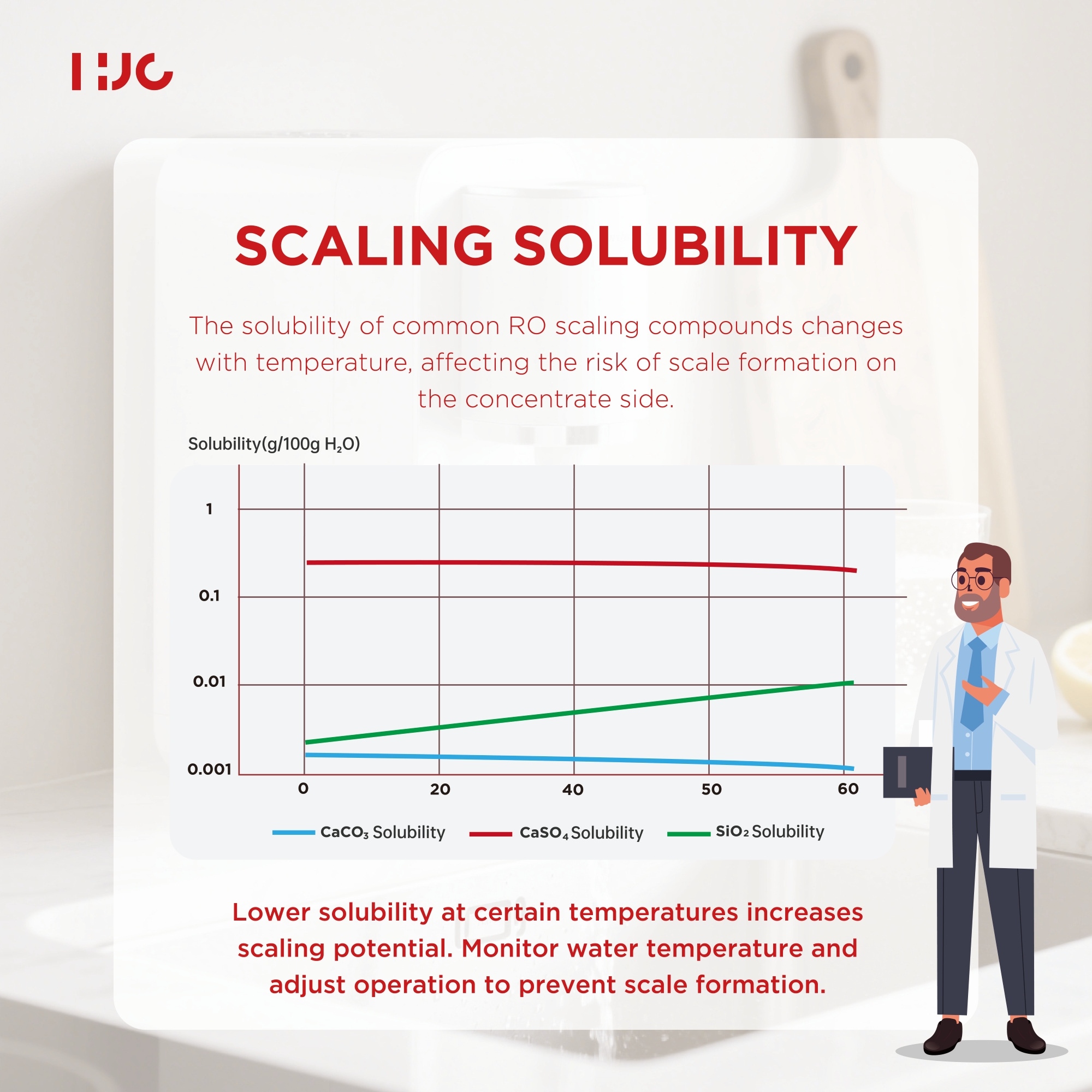
Figure 4. Temperature-related trends in fouling and scaling formation
Mitigation Strategies for Low-Temperature Operation
RO membrane elements are typically designed to operate within a defined temperature range (commonly around 1–45 °C, subject to the specific membrane datasheet). To minimize the impact of low-temperature operation, the following measures are recommended:
1️⃣ Temperature Correction and Data Normalization
Apply the Temperature Correction Factor (TCF) to normalize operating data to 25 °C. This helps distinguish flux decline caused by temperature changes from performance loss due to fouling or membrane aging.
2️⃣ Appropriate Increase in Feed Pressure
Within the design limits of the system and membrane elements, moderately increasing feed pressure can compensate for reduced water flux at low temperatures.
3️⃣ Recalibration of System Control Parameters
Low temperature can alter system hydraulics. Variable frequency drives (VFDs), valve positions, and control logic should be checked and adjusted to prevent uneven flow distribution.
4️⃣ Enhanced Operational Monitoring
Increase monitoring frequency during low-temperature periods, with particular attention to feedwater temperature, differential pressure (ΔP), recovery rate, permeate and concentrate conductivity, and pH. Trend analysis should be performed using TCF-corrected data.
5️⃣ Selection of Membranes Suited to Operating Conditions
Selecting RO membrane products designed for low-temperature and high-TDS applications can improve overall system stability and energy efficiency.
A clear understanding of how feedwater temperature affects RO system performance enables operators to make more precise operational adjustments during seasonal changes, resulting in stable water production, improved energy efficiency, and extended membrane service life.
HJC is committed to developing reliable RO membrane solutions for high-TDS and industrial water treatment applications, helping systems maintain stable performance under complex and variable operating conditions.
Actual system design and operational adjustments should be carried out in accordance with membrane manufacturer guidelines and site-specific conditions.
For further information, please visit hjcgreen.com or contact HJC directly.