

Industrial wastewater is becoming increasingly complex and concentrated. In many cases, conventional treatment processes alone are no longer sufficient to meet modern discharge requirements or water reuse goals.
From textile dyeing and pulp & paper to food and slaughter processing, effluents typically contain elevated salinity, organic loads, suspended solids, and a wide range of residual chemicals.
Without adequate treatment, these contaminants place continuous pressure on ecosystems, water security, and a facility’s regulatory compliance. Among advanced technologies, reverse osmosis (RO) is often the step that enables deep purification, stabilizes final effluent quality, and makes reuse possible.
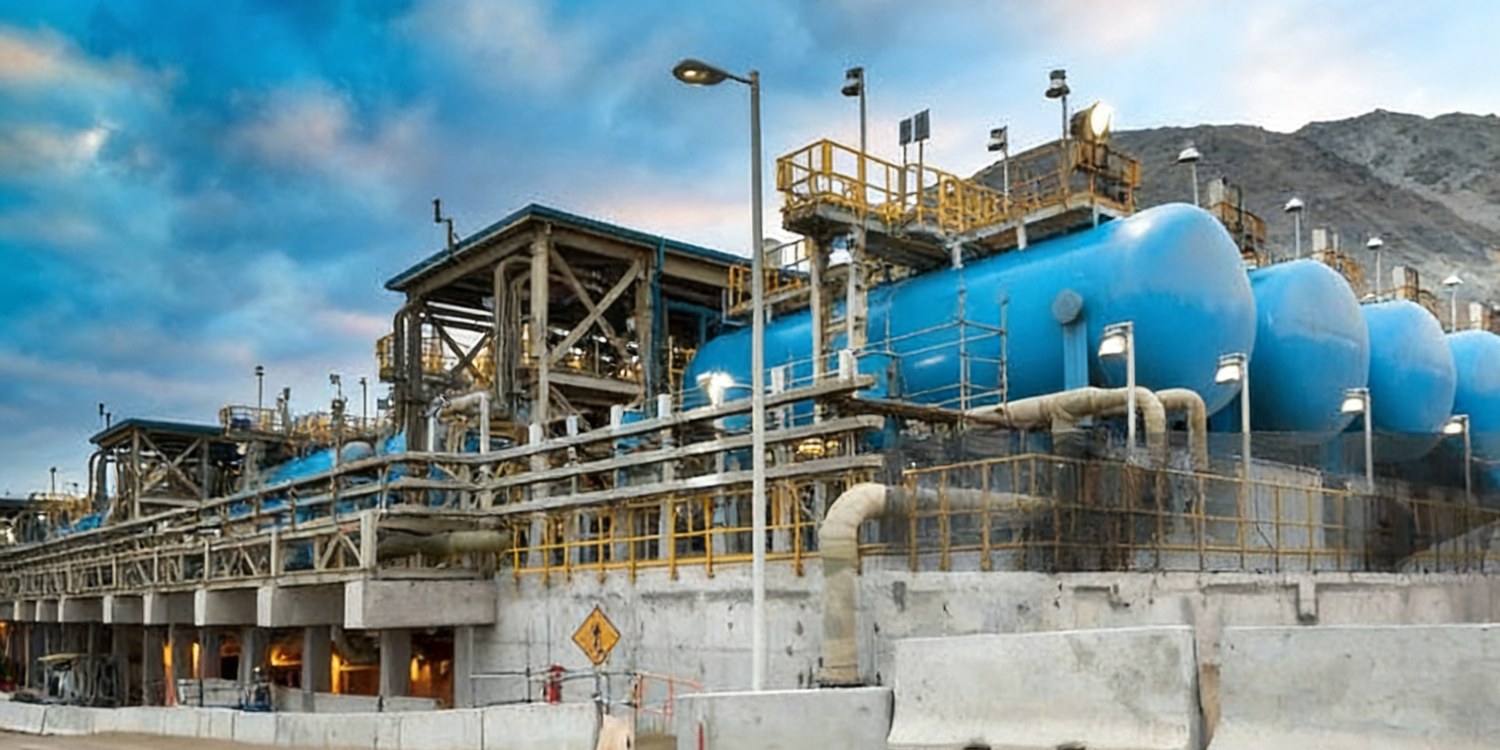
As environmental regulations tighten, releasing wastewater without removing dissolved pollutants is increasingly restricted.
Industrial effluents may contain:
·dissolved salts (TDS)
·refractory organics and color
·oils and emulsions
·nutrients such as nitrogen and phosphorus
·heavy metals or toxic compounds
Discharge of such streams can result in groundwater contamination, soil degradation, ecological damage, public health concerns, and financial or legal penalties.As limits continue to tighten, industries are turning to technologies like RO that deliver verifiable and repeatable separation performance.
In modern plants, RO rarely operates on its own. Instead, it functions as a precision barrier that locks in and guarantees final water quality.
Driven by pressure, water molecules permeate through a semi-permeable membrane while most dissolved species are rejected. The process enables:
·desalination
·conductivity reduction
·removal of dissolved organics
·preparation for reuse or near-zero discharge strategies
RO is typically installed downstream of biological or physicochemical stages, where it performs final polishing and makes system output more predictable.
While wastewater characteristics vary by sector, the demand for reliable desalination and advanced purification is universal.
Textile & Dyeing – Effluent often presents high color, COD, and salinity. RO reduces salt load and allows part of the water to be recycled back into production.
Pulp & Paper – Dissolved solids and process chemicals accumulate over time. RO helps control conductivity and supports internal reuse loops.
Food & Slaughter Processing – Following adequate pretreatment, RO provides an additional safeguard before discharge or in-plant reuse.
High-TDS conditions frequently push membrane systems toward their operational limits, making tailored engineering essential.
Elevated osmotic pressure, scaling tendencies, and complex chemistry often require:
·higher operating pressures
·chemically robust membrane elements
·optimized recovery design
·strict fouling management
RO for high-salinity wastewater is never plug-and-play. It depends on sound pretreatment, realistic recovery expectations, and careful concentrate handling. Under these conditions, advanced membranes can still maintain stable rejection and productivity.
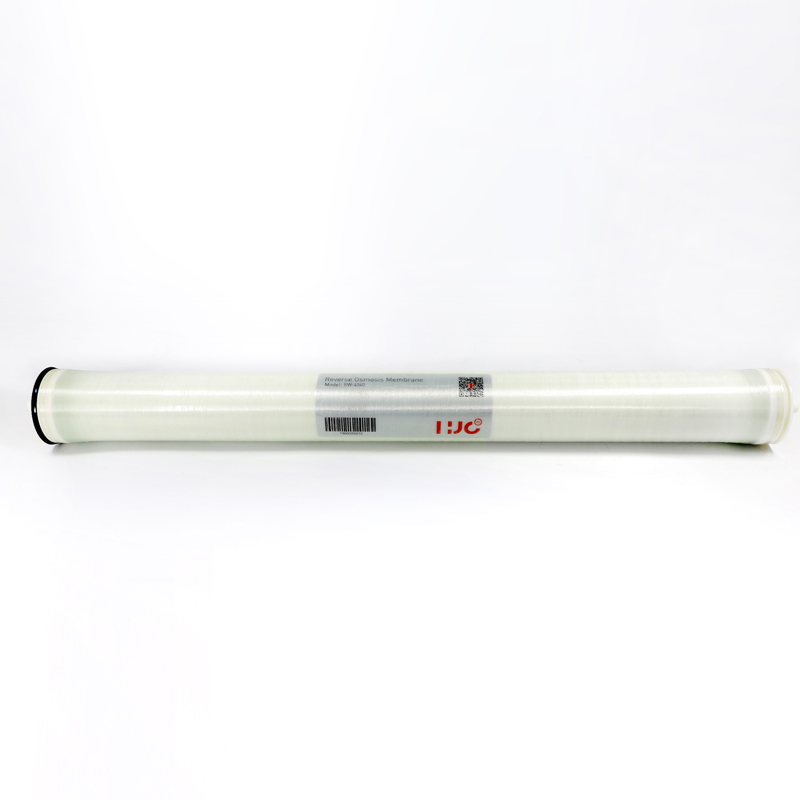
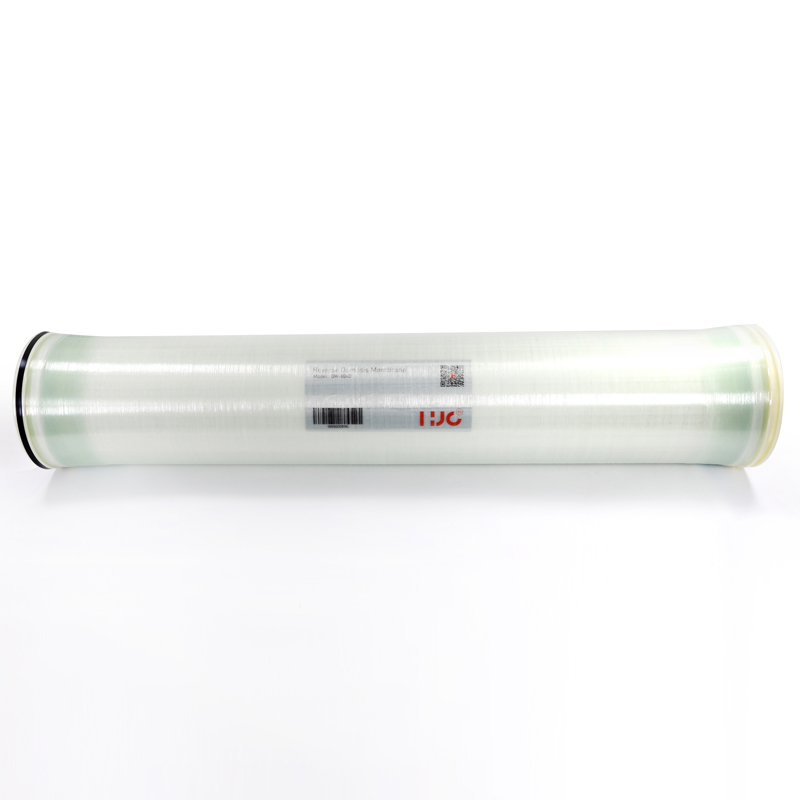
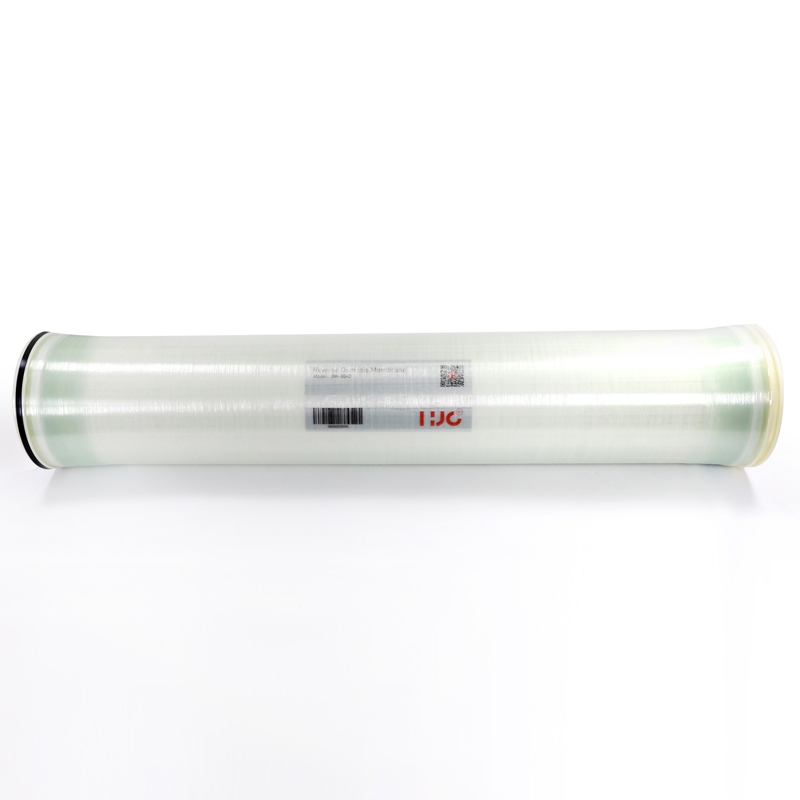
To address high salinity and heavy fouling loads, HJC has optimized both membrane materials and anti-fouling structures, enabling reliable and predictable separation even under challenging feed conditions.
With a clear understanding of long-term operational risks in industrial environments, HJC prioritizes multi-year stability across the membrane life cycle rather than focusing solely on initial performance data.
Fouling and Scaling: Inevitable but Controllable
Membrane fouling can never be completely eliminated. However, in properly engineered systems it can be managed within a predictable range.
Common forms include:
·organic deposition
·scaling from calcium, magnesium, or silica
·biological growth
·oil contamination
While no RO system is immune, good design and disciplined operation help maintain long-term stability. Typical practices include:
✔ effective upstream filtration
✔ SDI and turbidity control
✔ antiscalant dosing
✔ routine monitoring and cleaning
✔ well-defined operating windows
Beyond Compliance: Turning Wastewater into Supply
The real value of advanced treatment lies not only in meeting discharge limits, but in recovering water as a usable resource.
RO permeate is often suitable for:
·cooling circuits
·washing operations
·boiler feed after further polishing
·irrigation or general utilities
This approach shifts wastewater management from a pure cost burden to a secure and controllable on-site water source.
Long-Term Success Depends on Integration
Sustainable RO performance is the result of system integration, not membrane selection alone.
Outcomes are shaped by:
·pretreatment effectiveness
·sound hydraulic and chemical design
·monitoring capability
·maintenance discipline
Only when these factors work together can RO systems remain stable in demanding industrial environments.
This is also the core challenge of wastewater projects: not merely achieving compliance at commissioning, but maintaining it year after year. As a result, end users and EPC partners increasingly look beyond single parameters and place greater weight on:
·long-term reliability
·fouling resistance
·stability under high salinity and heavy load
·supplier expertise in application matching and technical support
Mature membrane technology, combined with real understanding of field conditions, is what ultimately turns complex wastewater into a manageable water resource.