

As summer approaches in parts of India, local authorities in the Dharwad district have warned that up to 90 villages may face drinking water shortages during the peak dry season between March and May.
According to a recent review by the District Disaster Management Authority, rising temperatures and declining water reserves may put pressure on rural water supply systems across several taluks, including Dharwad, Hubballi, Kalaghatagi and Kundgol. Forecasts from the India Meteorological Department suggest that temperatures could reach 35–40°C during April and May, further intensifying seasonal water stress.
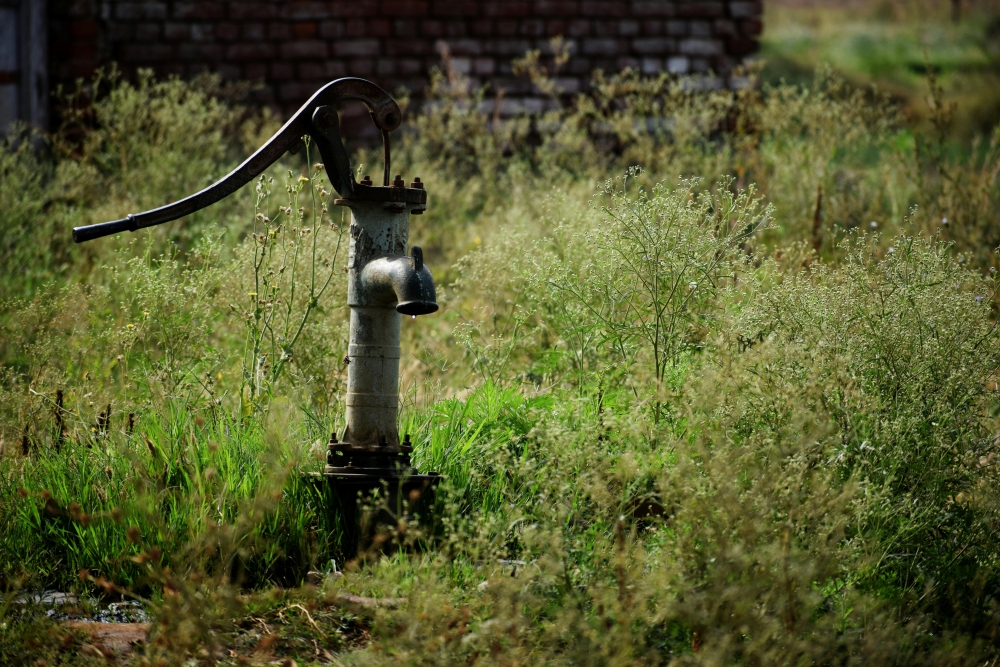
Local authorities have already begun preparing emergency measures, including the identification of 186 private borewells that may be used to supplement drinking water supplies if needed. At the same time, water storage tanks and distribution systems across the region are being closely monitored to maintain stable supply during the summer months.
While such measures can provide short-term relief, the situation also reflects a broader challenge faced by many regions in South Asia: ensuring reliable drinking water supply under increasingly variable climate and water resource conditions.
Seasonal Water Shortages and Changing Water Sources
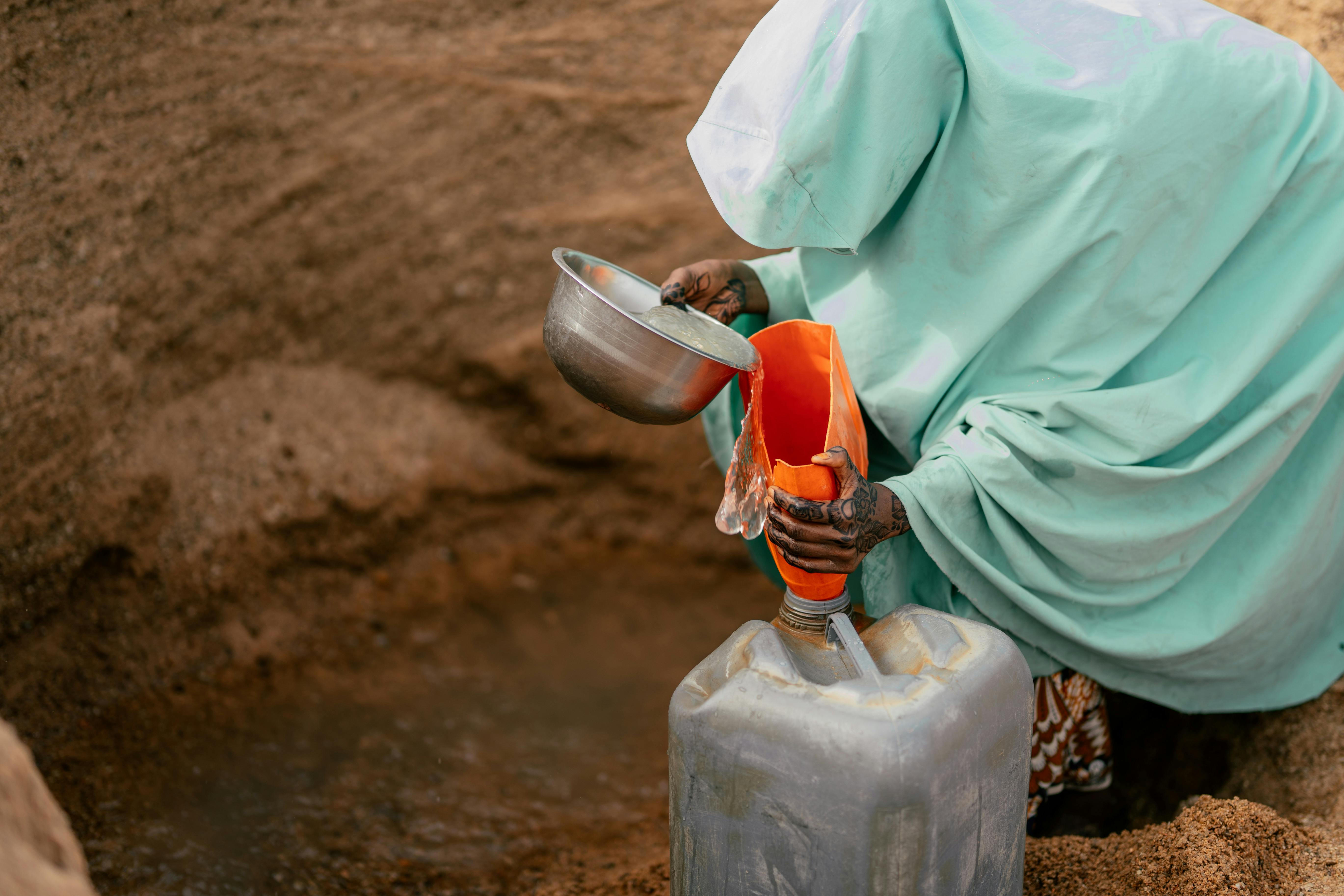
In areas experiencing periodic drought or groundwater depletion, communities often rely on alternative water sources, including deeper groundwater, brackish aquifers, or transported surface water.
However, these sources frequently present additional treatment challenges, such as:
-Higher salinity or total dissolved solids (TDS)
-Seasonal fluctuations in feedwater quality
-Elevated feedwater temperatures influencing membrane performance and long-term durability
-Intermittent system operation in small community plants
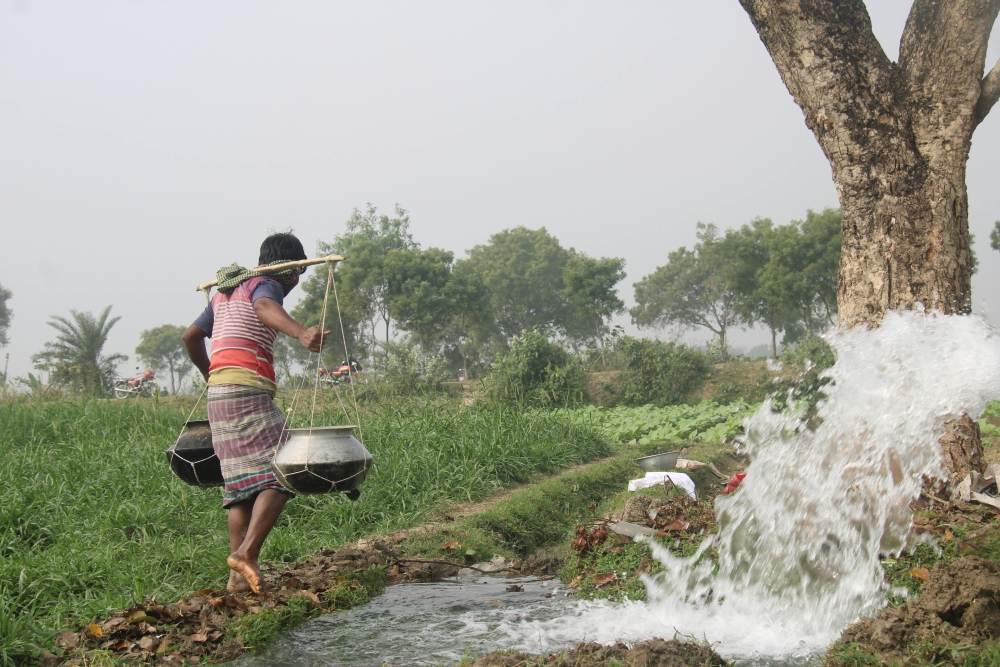
For rural and decentralized water supply systems, treatment technologies must therefore maintain stable performance under variable conditions while keeping operational costs manageable.
The Role of Reverse Osmosis in Decentralized Water Supply
Reverse osmosis (RO) has become an important technology for converting brackish or high-TDS water sources into safe drinking water, particularly in regions where freshwater availability is limited.
In these environments, membrane reliability plays a key role in overall system performance. Membranes must maintain consistent salt rejection, stable permeate flow, and resistance to fouling even when feedwater quality fluctuates seasonally.
HJC Membrane Technologies for Challenging Feedwater Conditions
At HJC, membrane development focuses on supporting water treatment systems operating in high-salinity and variable feedwater environments.
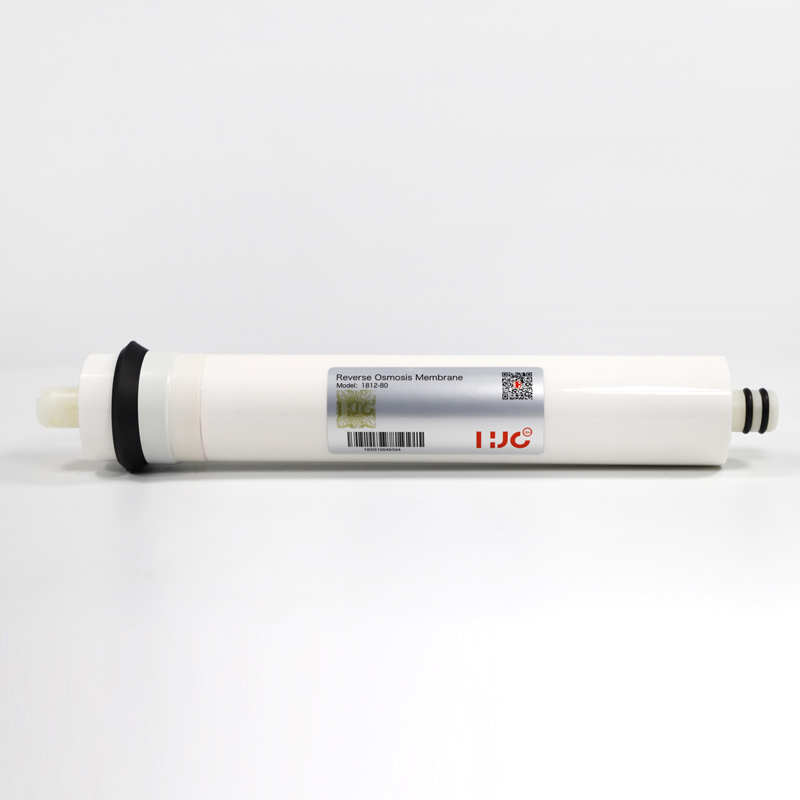
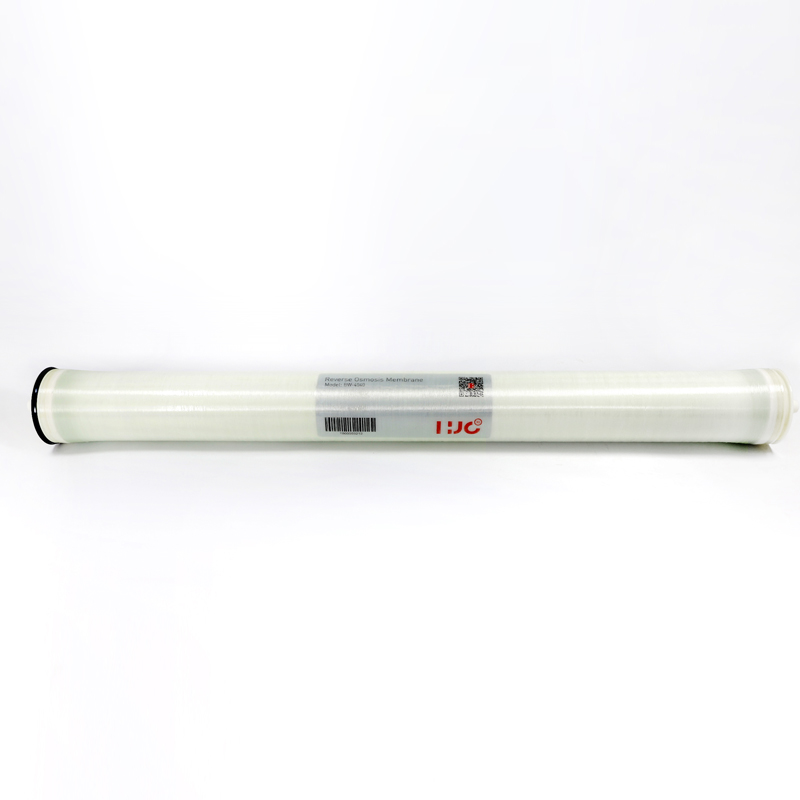
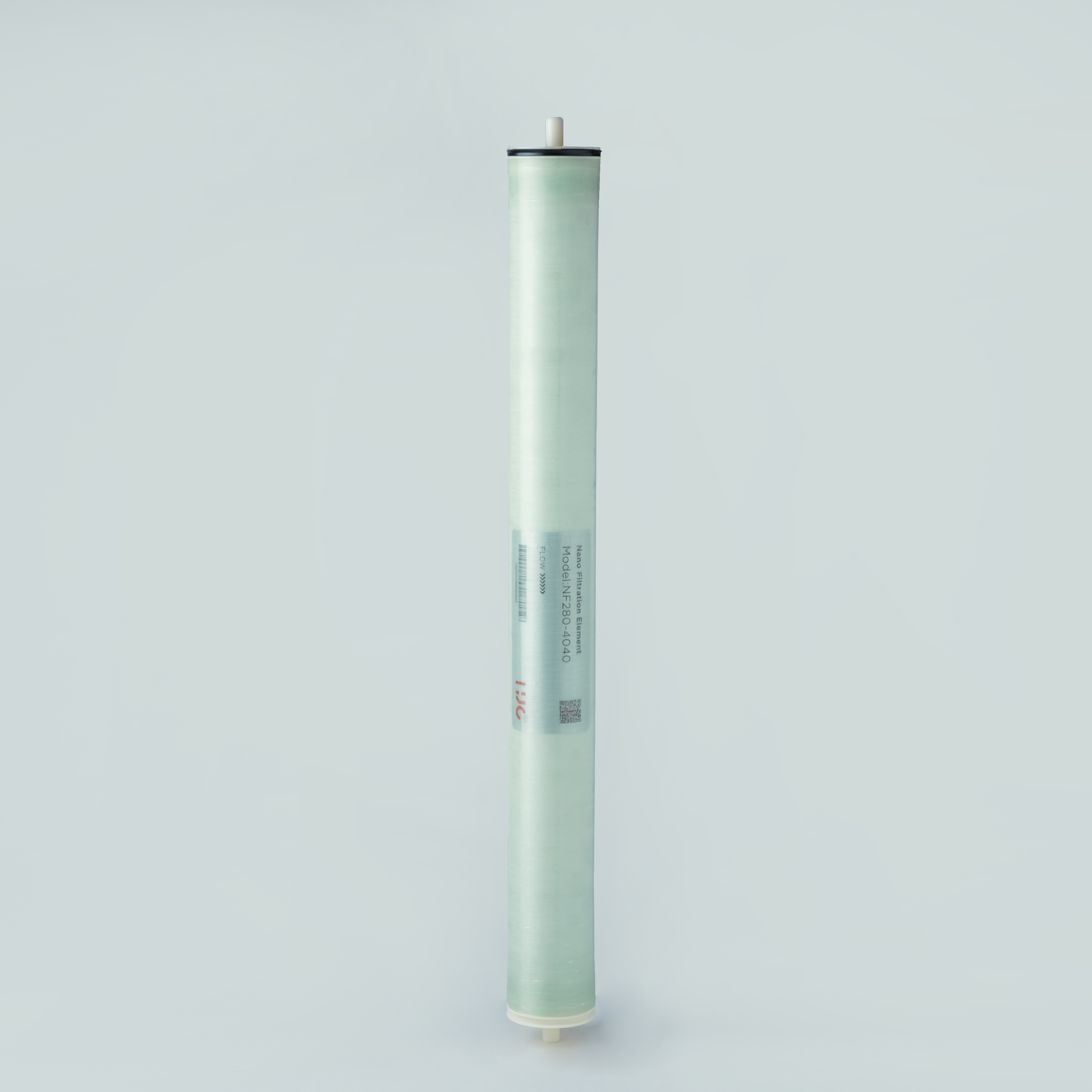
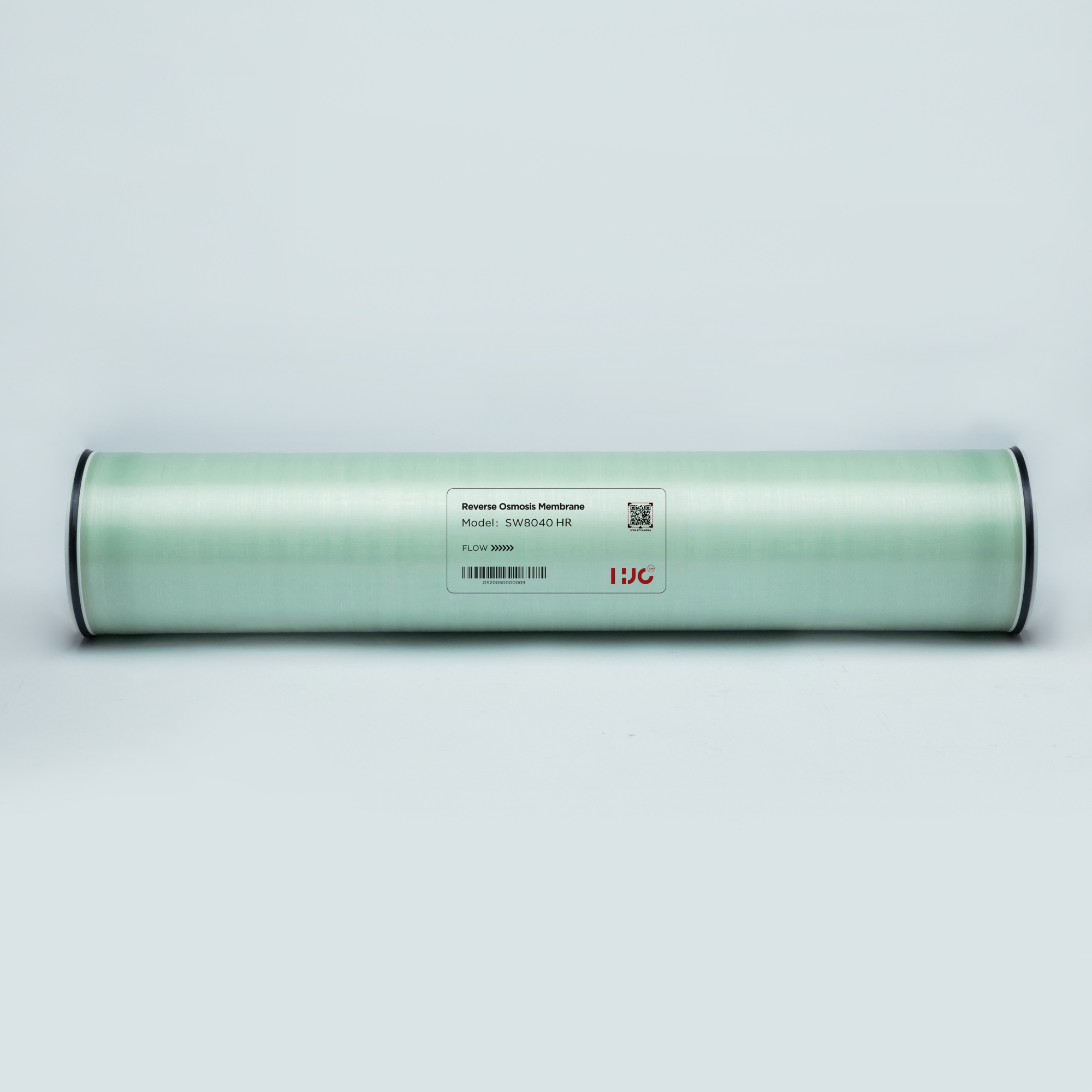
Key design considerations include:
Stable desalination performance
HJC RO membranes are engineered to maintain high salt rejection across a wide range of feedwater conditions. This helps operators maintain stable permeate quality even when feedwater salinity and temperature vary between dry and monsoon seasons.
Adaptability to fluctuating water quality
In regions where water sources may shift seasonally—from reservoirs to groundwater or mixed sources—membrane stability helps reduce the need for frequent operational adjustments and supports consistent system performance.
Support for decentralized and municipal systems
From small community water plants to municipal desalination facilities, membrane durability and operational stability help reduce maintenance frequency and extend system service life.
These characteristics are particularly relevant in climate-sensitive regions where seasonal water availability varies significantly throughout the year.
Technology as Part of Long-Term Water Resilience
Events like the developing water shortage in Dharwad highlight how water security increasingly depends on both infrastructure planning and advanced treatment technologies.
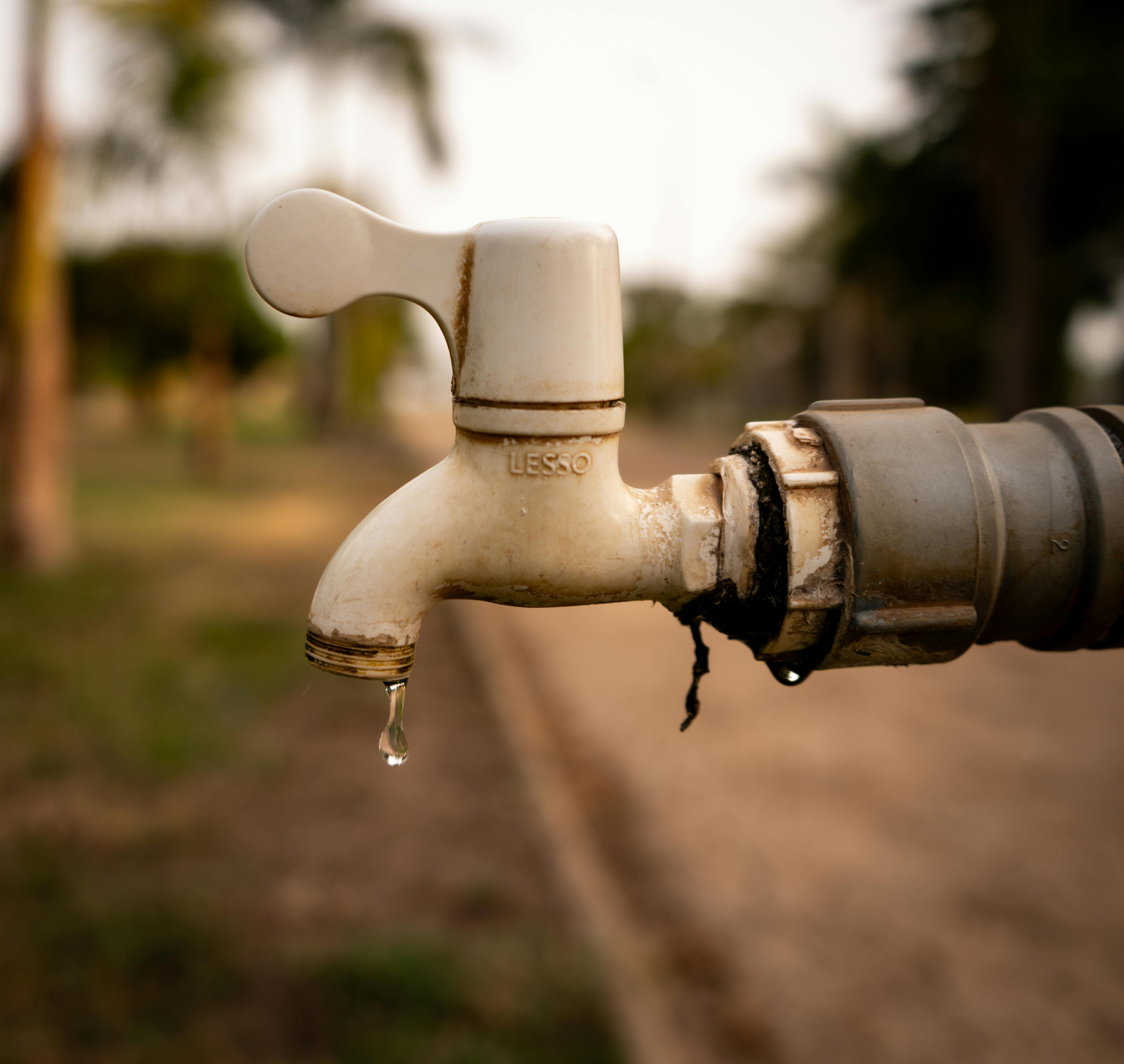
Emergency measures such as temporary borewell supply can help communities bridge short-term gaps. Over the longer term, however, integrating reliable water treatment solutions—including desalination and brackish water purification—can expand the range of usable water sources and improve system resilience.
As water demand continues to grow across many parts of the world, membrane technologies are becoming an essential component of modern water supply systems.
At HJC, we continue to work with partners across the water treatment industry to support stable, efficient, and sustainable water purification solutions, helping communities and utilities adapt to evolving water challenges.
Drawing on experience in climate-sensitive regions, HJC works with local partners and system integrators in India to tailor membrane solutions to specific feedwater conditions and operational requirements.