

The Mekong Delta is undergoing a long-term shift in its water conditions. During the dry season, high temperatures combined with tidal effects have turned saltwater intrusion from an occasional event into a regular, seasonal occurrence.
Recent monitoring shows that salinity levels in several major rivers continue to rise throughout tidal cycles, pushing 40–50 km inland, and even further in some areas. This has already exceeded safe thresholds for crops like rice and is affecting daily water access for local communities.
Local water authorities report that salinity is increasing more rapidly than before, sometimes reaching critical levels within just a few days, making water management more difficult.
Against this backdrop, water management in the Mekong Delta is shifting—responding to changes while adapting to the long-term presence of saline water.
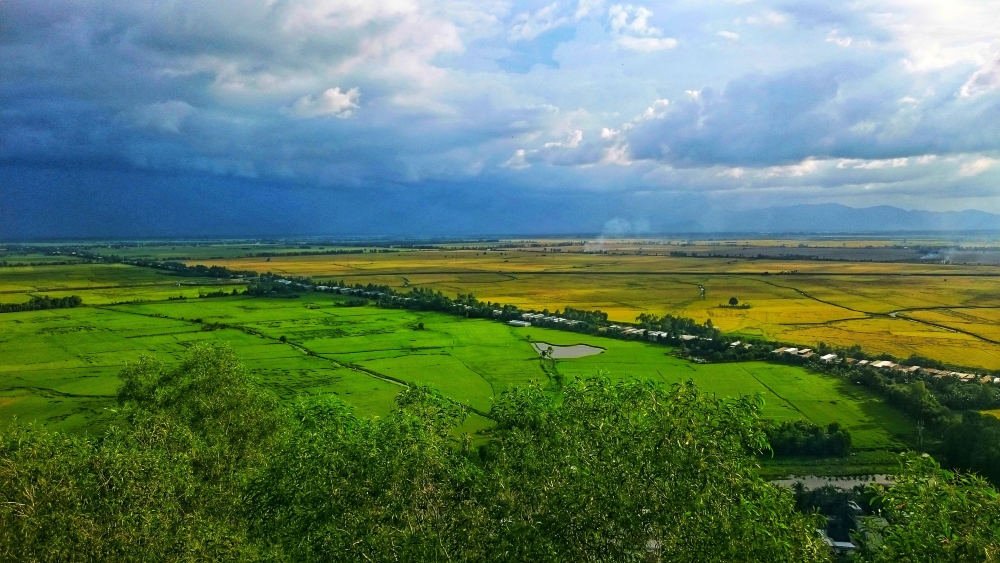
From “resisting” to “adapting”: changing approaches to water management
In coastal areas such as Ca Mau Province, freshwater supply has long depended on seasonal allocation and external water transfer due to the region being surrounded by the sea on three sides.
Three key changes are now taking place:
· Greater focus on reservoirs and freshwater storage
Local governments are accelerating the construction of reservoirs and storage systems to cope with dry-season shortages.
· Tide-based gate operations
Water is stored when salinity is low and gates are closed when salinity rises, improving freshwater use.
· Adaptation at household and farm level
Rainwater collection, groundwater extraction, and water storage tanks are becoming common.
Traditional reliance on natural water sources is gradually shifting toward a model of storing water in advance and using it when needed.
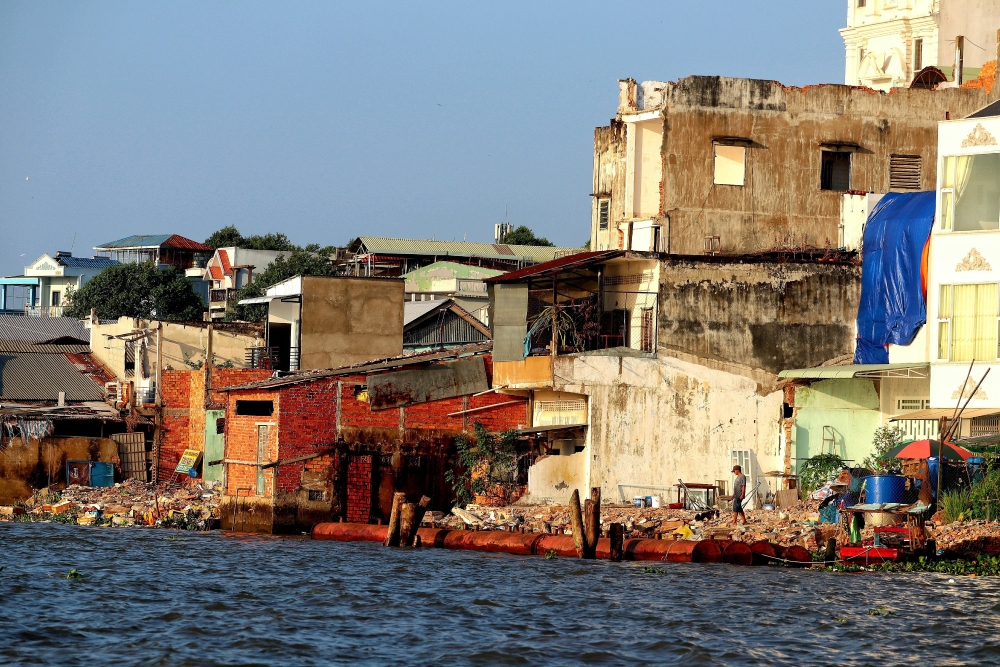
Key challenge: not just agriculture, but water supply systems
Beyond the risk to agricultural output, saltwater intrusion is putting ongoing pressure on basic water supply systems:
· Long-distance water transfer leads to low pressure at the endpoints
· Seasonal demand spikes make supply unstable
· Some areas have pipelines but little or no usable water
· Groundwater and rainwater are used as alternatives, but they are not always reliable
In some communities, residents still rely on stored rainwater or purchased drinking water for daily use.
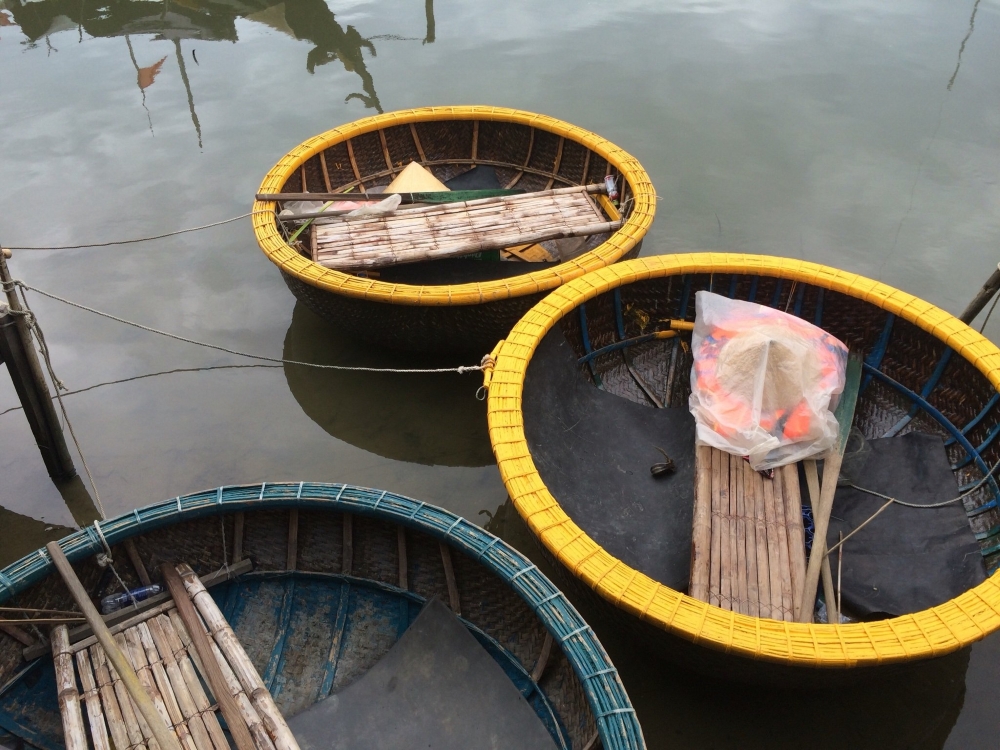
New trend: mixed water use and production models adapted to salinity
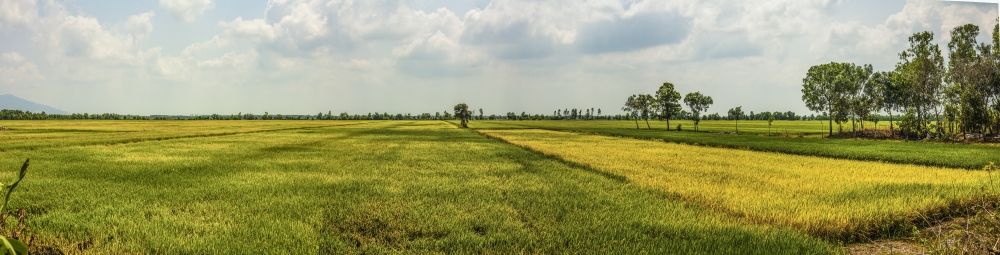
In agriculture, a clear shift is underway—from freshwater-only farming to systems that adapt to saline conditions.
Typical approaches include:
· Rice–shrimp–crab integrated farming
· Seasonal switching between crops and aquaculture based on salinity
· Adjusting planting schedules according to salinity cycles
In Ca Mau Province alone, rice–shrimp farming now covers around 80,000 hectares and has become a stable source of income.
This shows that changes in water salinity can directly reshape local economic patterns.
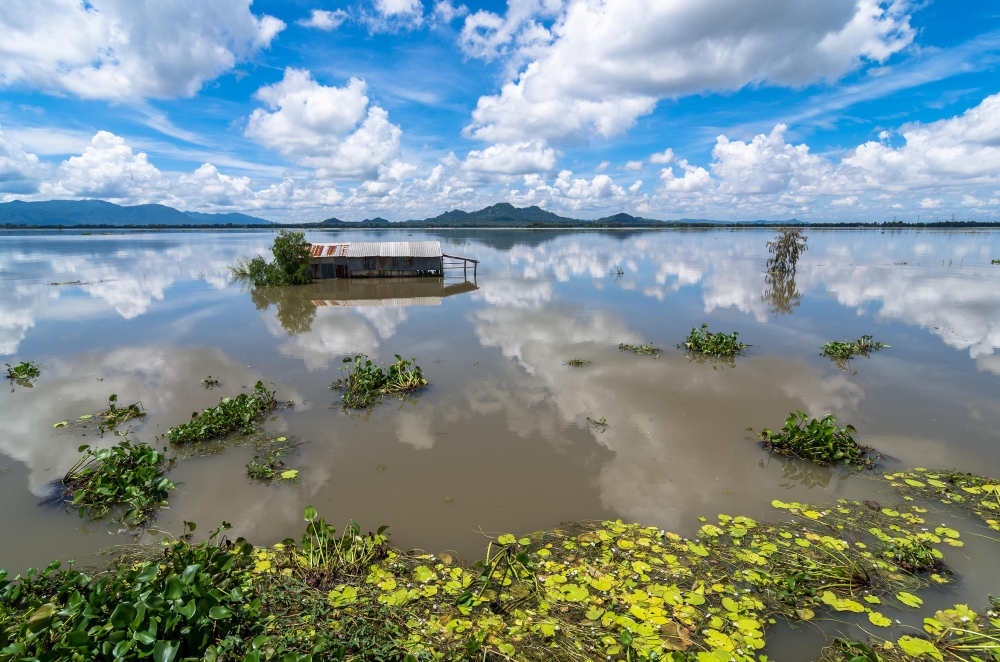
Growing demand for saltwater and brackish water treatment
As saltwater intrusion becomes more frequent, Southeast Asia is seeing steady growth in demand for water treatment solutions, especially in:
· Brackish water desalination
· Agricultural irrigation water treatment
· Decentralized drinking water systems
· Industrial and municipal supply support systems
In areas with rapid salinity changes and unstable supply, there is increasing demand for systems that can deliver consistent desalination performance over time.
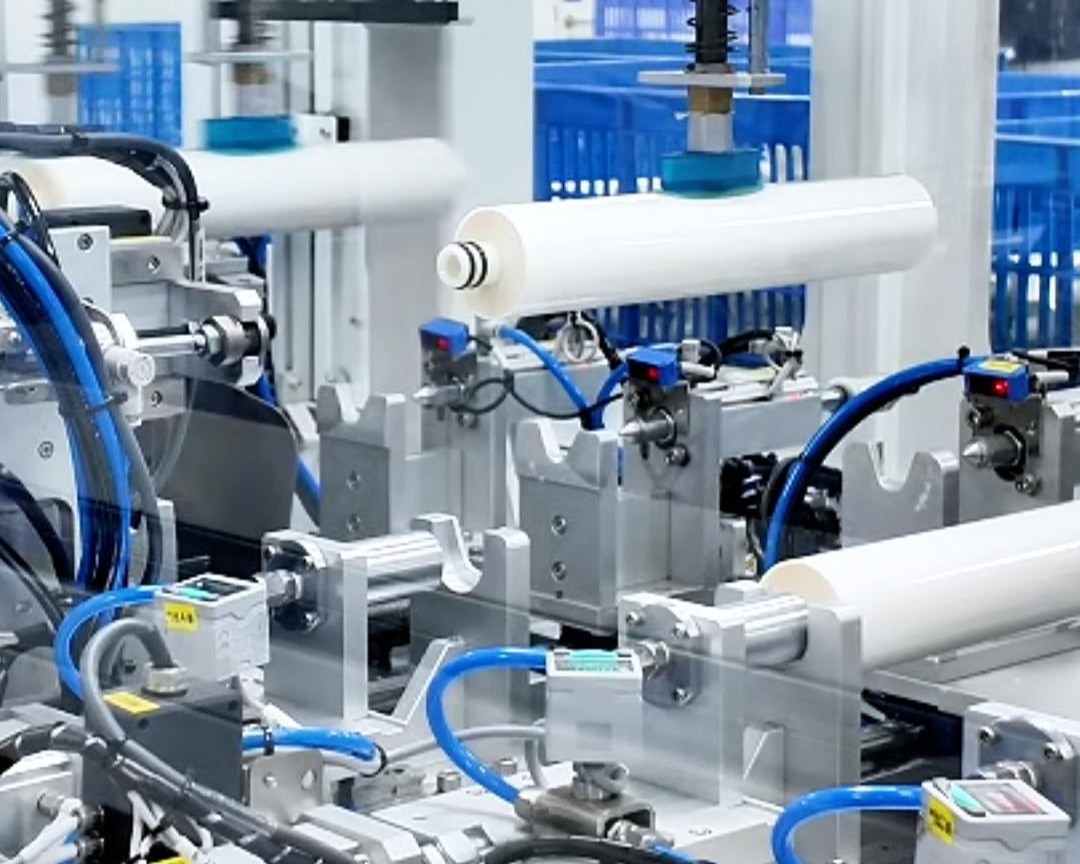
HJC RO membrane solutions for high-salinity conditions
For complex water environments like the Mekong Delta, HJC focuses on providing core RO membrane capabilities:
1. Designed for high-salinity conditions
Handles fluctuating salinity in brackish water sources and helps maintain stable system operation.
2. Consistent desalination performance
Maintains steady water output under high TDS conditions, adapting to seasonal water quality changes.
3. Suitable for industrial and municipal applications
Applicable to:
· Coastal water supply systems
· Agricultural pre-treatment
· Decentralized desalination units
4. Supports lower long-term operating costs
Stable flux and fouling resistance help reduce maintenance frequency and downtime.
What is happening in the Mekong Delta reflects a broader pattern seen in coastal regions worldwide:
· Expanding reach of saltwater intrusion
· Stronger seasonal fluctuations in freshwater availability
· Water systems shifting from supply-focused to reliability-focused
Water treatment is no longer just a final purification step—it is becoming a core part of ensuring stable water access.
As efforts shift from “blocking saltwater” to “living with it,” the focus of water systems is also changing—from simply providing enough water to ensuring consistent water quality.
For the water treatment industry, this presents both a challenge and a clear opportunity.
HJC continues to focus on RO membrane solutions for high-salinity and brackish water conditions, supporting reliable water treatment in coastal and high-salinity regions worldwide.