

PFAS, often called "forever chemicals," are attracting growing attention in the global water treatment industry. These synthetic chemicals have been widely used in industrial manufacturing and everyday products, including non-stick cookware, water-resistant textiles, food packaging, and firefighting foams.
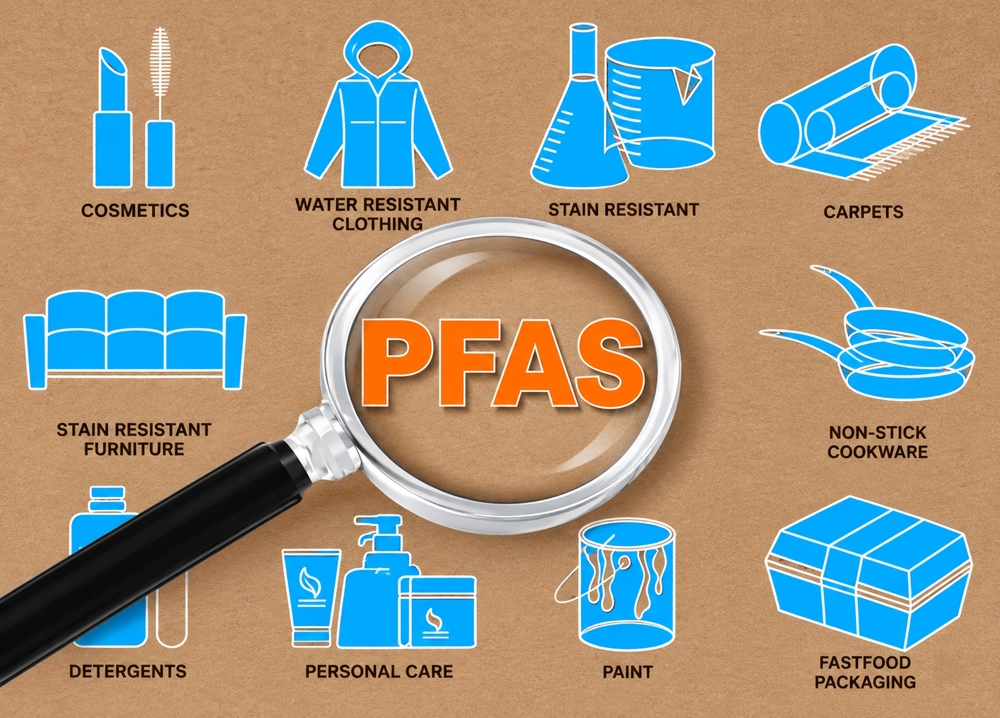
Their strong chemical bonds make many PFAS compounds highly resistant to natural degradation. Once released into the environment, they can persist for years and migrate through soil, rivers, and groundwater, eventually reaching drinking water sources. Their persistence and potential health risks have made PFAS an increasingly important concern for water quality management.
In the United Kingdom, PFAS monitoring has become an important part of drinking water management. According to the Drinking Water Inspectorate (DWI), water companies in England and Wales conducted more than 666,000 analyses for individual PFAS during 2025. The UK government has also continued to strengthen its approach to identifying pollution sources and managing long-term environmental exposure through its PFAS action plan.
Across the Atlantic, research in the United States highlights another dimension of the problem: groundwater contamination. A study published in Science in October 2024 by researchers from the U.S. Geological Survey estimated that approximately 71–95 million people in the contiguous United States may rely on groundwater containing detectable PFAS before treatment.
Industrial facilities, firefighting foam sites, and landfills are among the potential sources of contamination. Once PFAS enter underground aquifers, their persistence can make pollution difficult to manage. For communities that depend on groundwater for drinking water, regular testing and appropriate treatment are essential.
The US Environmental Protection Agency (EPA) finalized its first national drinking water standards for six PFAS in April 2024, including a limit of 4 ng/L for PFOA and PFOS. Regulatory adjustments proposed in 2026 further reflect the evolving challenges of PFAS management.
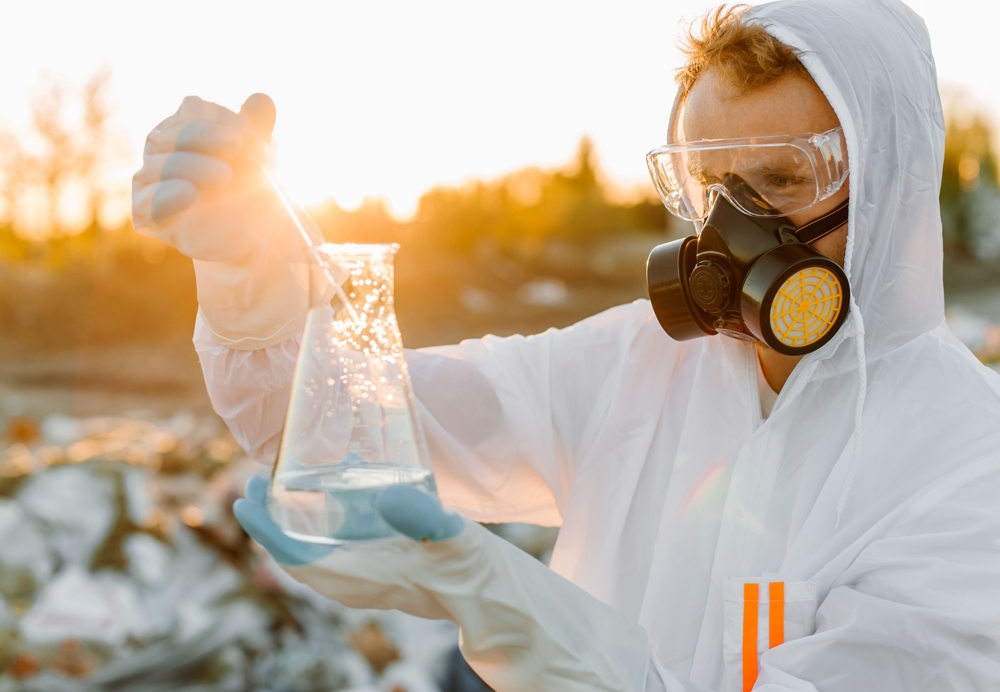
As concerns about PFAS in drinking water increase, effective separation technologies are becoming increasingly important. Reverse osmosis (RO) is one promising option. By applying pressure to drive water through a semipermeable membrane, RO allows water molecules to pass while rejecting many dissolved salts and contaminants, including numerous PFAS compounds.
Research has demonstrated high rejection performance for many PFAS, although results vary depending on membrane characteristics and the compounds being treated. Long-chain PFAS are generally easier to reject than short-chain substances, making membrane selection an important consideration.
Water quality and system settings can affect filtration results. During the RO process, some substances are retained by the membrane instead of passing into the purified water. The remaining water may require additional processing.
As water quality challenges become more complex, RO membrane performance needs to be evaluated beyond conventional salt rejection. Selectivity, durability, and operating stability are also important factors in developing reliable treatment solutions.
At HJC, we continue to focus on RO membrane technology and solutions for demanding water conditions. As emerging contaminants receive greater attention worldwide, advances in membrane separation will remain an important part of improving water treatment capabilities.
Better water treatment starts with understanding the water and choosing the right separation technology.