

Recent assessments from the Central Ground Water Board (CGWB) have raised concerns about Delhi’s groundwater quality. For years, many households have relied on borewells, tubewells, and hand-pumps, often without treatment. New findings indicate that this reliance is becoming increasingly risky.
While public attention often focuses on uranium, the broader picture includes multiple contaminants detected across different parts of Delhi—such as nitrate, fluoride, lead, salinity, and high dissolved solids. Each has known health implications, and their coexistence increases overall risk.
At HJC, we follow these developments closely because they underline a simple truth: access to clean, safe water is becoming more challenging without reliable purification technology.
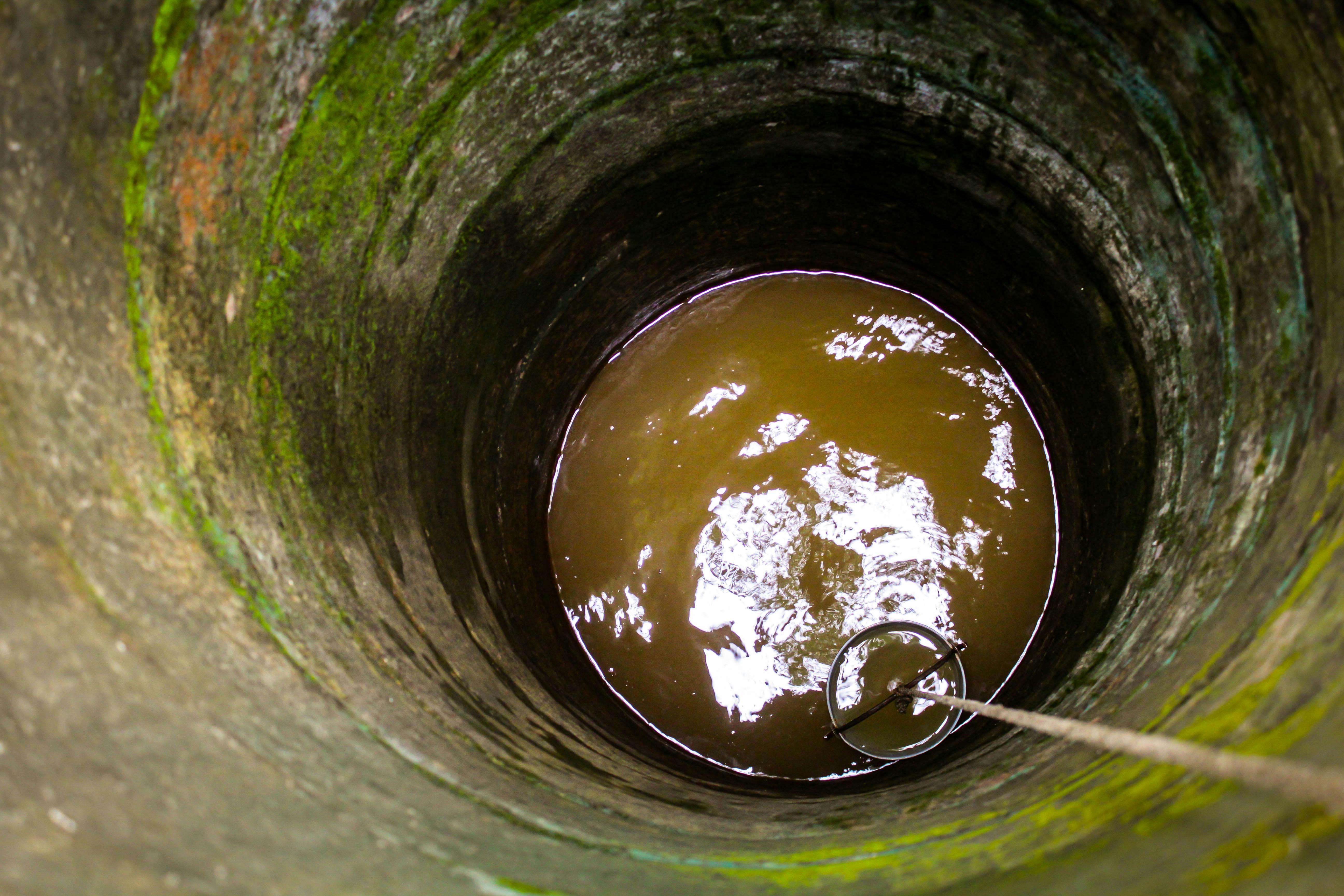
Key Contaminants Identified in Delhi’s Groundwater
1. Uranium in Groundwater
CGWB assessments have reported elevated uranium levels in parts of Delhi, with a portion of tested samples exceeding the commonly referenced 30 ppb guideline. Uranium in drinking water is associated with chemical toxicity, including potential impacts on kidneys and bones.
These findings also reflect longer-term shifts, including increased dependence on deeper groundwater layers, where certain minerals may be naturally higher.
2. Nitrate
Several groundwater samples in Delhi have shown nitrate concentrations above recommended limits. In urban environments, nitrate is often linked to activities such as sewage leakage, runoff, and waste infiltration.
High nitrate levels can cause methemoglobinemia (“blue baby syndrome”) in infants and may affect blood chemistry with prolonged exposure.
3. Fluoride
Fluoride levels above permissible limits have been reported in some areas of Delhi. While small amounts support dental health, excessive fluoride over long periods can lead to dental or skeletal fluorosis.
4. Lead
CGWB data from recent assessments show that a share of Delhi’s groundwater samples exceeded lead limits. Lead has no safe threshold and is associated with developmental effects in children, kidney stress, and elevated blood pressure.
Lead contamination can arise from multiple pathways—including industrial activities, ageing plumbing, and waste-related sources—so its presence in groundwater cannot be attributed to a single cause.
5. Salinity, Hardness, and TDS
A significant portion of samples exhibited high electrical conductivity, which indicates elevated salinity or mineral concentration.
These parameters do not always cause acute toxicity but can contribute to health and usability concerns, particularly for vulnerable groups such as infants, pregnant women, and older adults.
A key observation is that individual groundwater sources may contain more than one contaminant. For example, areas with high salinity may also show elevated TDS or other dissolved substances. Such combinations complicate water treatment needs and increase overall exposure risks.
Traditional sediment or carbon filters are not designed to remove dissolved salts, heavy metals, or radioactive elements.
Why Delhi’s Groundwater Varies Widely
Several factors influence groundwater composition:
• Geological conditions
Certain rock formations can naturally release elements such as fluoride or uranium into water.
• Groundwater extraction patterns
Falling water tables may increase reliance on deeper aquifers, which can differ significantly in mineral content.
• Urban environmental pressures
Runoff, sewage leakage, and waste management issues can introduce contaminants such as nitrate or lead.
Together, these factors contribute to the variability seen in Delhi’s groundwater quality.
Long-term consumption of contaminated water may lead to kidney strain, bone impacts, developmental risks in children, and other health concerns. People with higher sensitivity—including infants, pregnant individuals, the elderly, and those with compromised immunity—are particularly at risk.
For many areas, the issue is no longer limited to hardness or salinity but involves a broader mix of dissolved contaminants.
Reverse Osmosis (RO) is one of the technologies capable of reducing multiple dissolved contaminants within a single system. RO membranes can reduce:
dissolved heavy metals (e.g., uranium, lead, chromium)
-nitrate
-fluoride
-salinity and TDS
-hardness
-microbial load when paired with adequate pre-treatment
RO is an effective option in regions where groundwater quality varies widely, but the choice of treatment should always be guided by water testing results and relevant standards.
HJC develops RO membrane elements and filtration components used in residential, commercial, and industrial systems globally.
Our membranes are designed for:
-strong rejection of salts and heavy metals
-stable performance across variable feedwater conditions
-long service life
-consistent permeate quality in high-TDS or mixed-contaminant scenarios
While we cannot control groundwater conditions, we provide technologies designed to help households and engineers respond effectively.
Recent CGWB findings highlight the need for continued monitoring and appropriate treatment choices. Regular testing and selection of suitable purification methods—chosen with reference to water-quality data and national or local guidelines—remain essential.
HJC remains committed to supporting safe water access through reliable, science-based membrane technology.
Sources
-Central Ground Water Board (CGWB). Annual Ground Water Quality Report 2025.
-NDTV. “Not Just High Uranium: Delhi's Groundwater Has More Toxic Chemicals.”
-The Indian Express, The Tribune, Times of India — Multiple reports covering CGWB groundwater findings.