

Microplastics have evolved from a scientific curiosity into a global environmental and public health concern. These particles are tiny, persistent, and increasingly detected in a wide range of environments — including water, soil, food, and even the air we breathe.
This article explains what microplastics are, why they matter, and how RO (Reverse Osmosis) membranes can help reduce exposure in drinking water.
What Are Microplastics?
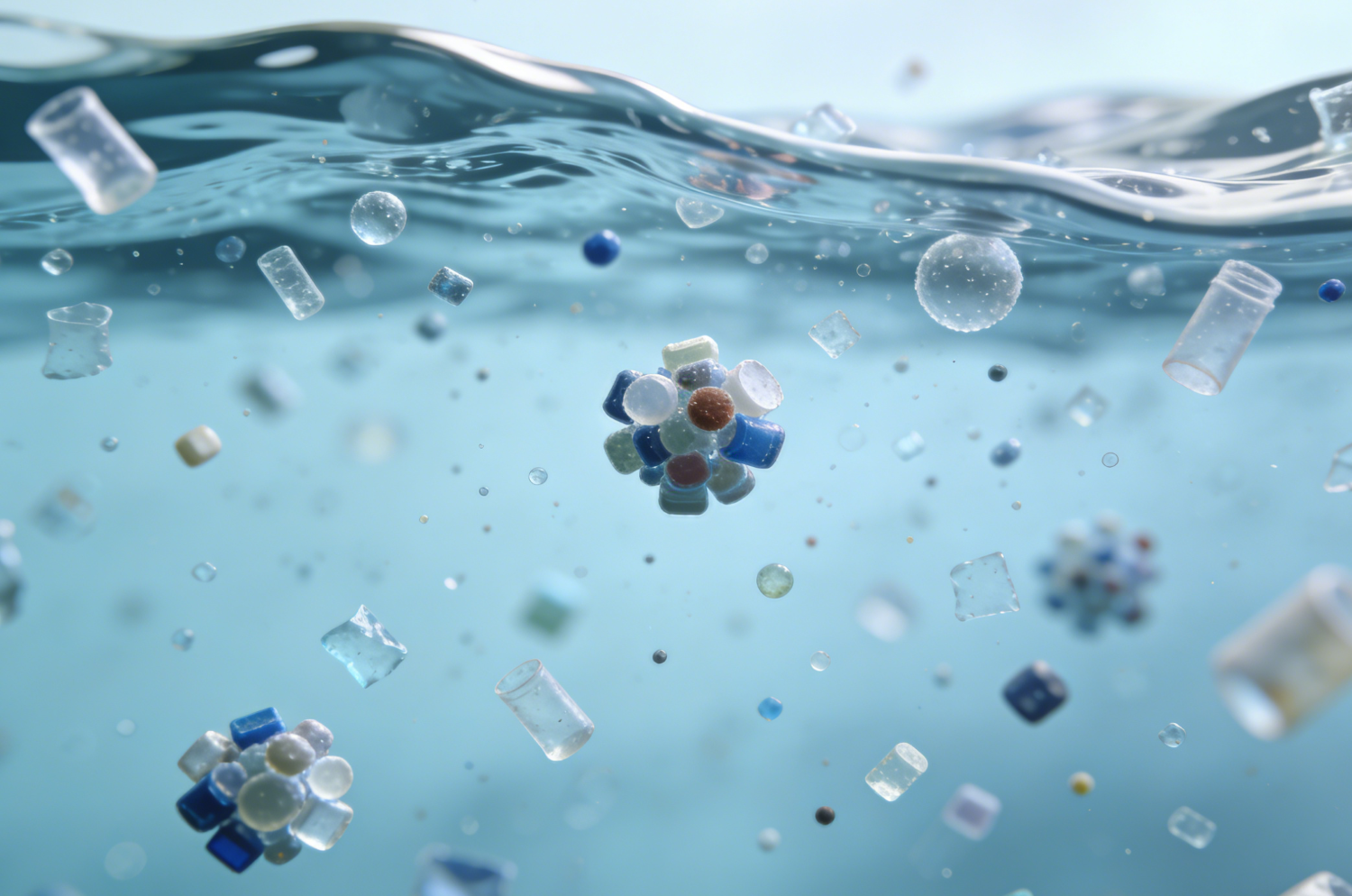
Microplastics are plastic fragments smaller than 5 mm. They originate from sources such as:
- Weathering or aging of plastic products
- Packaging abrasion
- Synthetic clothing fibers
- Tire wear particles
- Personal care products
- Industrial processes and raw plastic pellets
Due to their small size and high mobility, microplastics can move easily through natural systems and are now considered a widespread environmental contaminant.
Why Microplastics Are Harmful — Key Scientific Insights
1. They may enter and accumulate in human tissues
Multiple studies have reported the presence of microplastics in blood, lung tissue, placental samples, feces, and arterial plaque.
Early research suggests they may:
- Trigger chronic inflammation
- Increase oxidative stress
- Cause cellular or tissue-level stress
- Influence immune responses
These findings are still developing, but current evidence indicates microplastics are not biologically inert.
2. They can carry chemical additives and environmental pollutants
Plastics often contain additives such as plasticizers, stabilizers, dyes, and flame retardants.
Microplastics may release some of these compounds over time, and they can also adsorb pollutants from their surroundings, including:
- Heavy metals
- Pesticides
- Industrial organic contaminants
This combination increases concern about their long-term environmental and biological impact.
3. They can disrupt aquatic ecosystems
Microplastics are ingested by fish, shellfish, and zooplankton. Documented effects include:
- Impaired digestion
- Reduced nutrient absorption
- Developmental and reproductive impacts
Since these organisms form the base of food chains, microplastics can indirectly influence human exposure through seafood consumption.
4. They may affect soil health and agricultural productivity
Microplastics have been found in agricultural soils via:
- Irrigation water
- Organic fertilizers
- Atmospheric deposition
- Degraded plastic mulch
Studies indicate they may alter soil structure, water permeability, and nutrient exchange — potentially affecting crop performance.
5. They spread through the air — meaning inhalation is another pathway
Microplastics have been detected in indoor and outdoor air, household dust, and even atmospheric deposition events such as rainfall.
Long-term inhalation exposure is still being studied, but early evidence points to potential respiratory irritation and low-grade inflammation.
Current Scientific Understanding
Scientists broadly agree that microplastics are widespread, persistent, and capable of entering the human body.
However, the full extent of long-term health effects remains under active research.
Reducing unnecessary exposure — especially through drinking water — is widely considered a practical and precautionary step.
How RO Filtration Helps — The HJC Perspective
Reverse Osmosis (RO) is recognized as one of the most effective technologies for reducing microplastics in drinking water.
Why RO Works
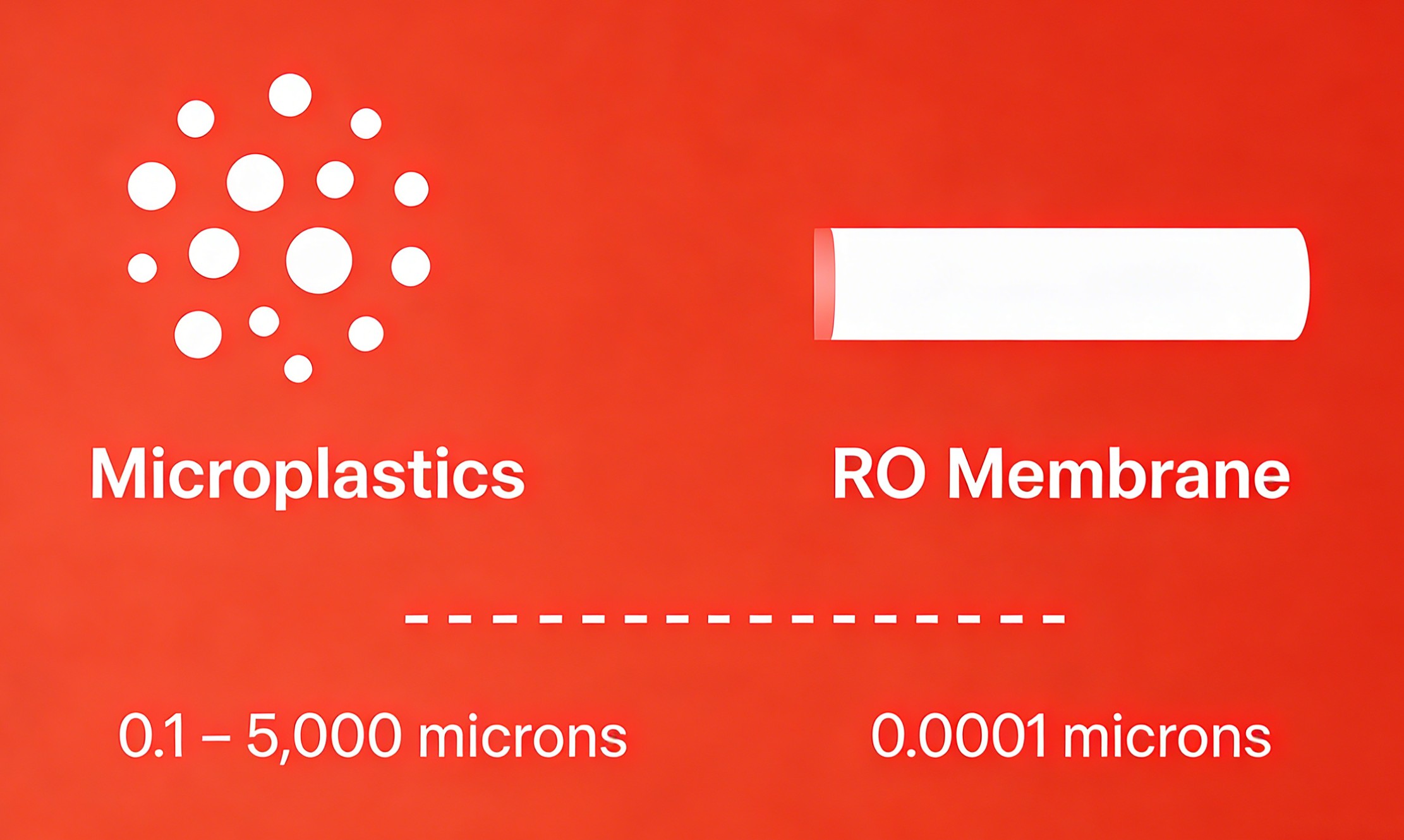
- RO membranes typically have an effective pore size of around 0.0001 microns
- Microplastics typically range from 0.1 to 5,000 microns
→ Microplastics are far too large to pass through an RO membrane.
In addition, RO systems may also reduce certain dissolved contaminants associated with microplastic pollution — such as heavy metals, PFAS, or chemical residues — though effectiveness varies by contaminant type and system design.
This makes RO a practical barrier technology for households and facilities aiming to improve drinking water quality.
Microplastics represent an emerging environmental and public health challenge. Their persistence and presence across water, food, and air highlight the importance of practical exposure-reduction strategies.
RO filtration provides a scientifically supported method for significantly reducing microplastics in drinking water while offering broader contaminant-reduction benefits.
At HJC, we remain committed to advancing membrane technology that supports cleaner, safer, and more reliable water systems.