

The Fragile Lifeline
In Niger, West Africa, the challenge of securing safe freshwater is intensifying into a severe crisis. A joint report released by WaterAid and Tree Aid, utilizing 12 years of satellite data from 2013 to 2025, reveals an alarming figure: In Niger 99.5% of freshwater is already of poor quality and at risk of being unsafe to drink directly. This places millions of people at immediate and long-term risk from waterborne diseases.
Furthermore, the research warns that deforestation in Ghana, Niger, and Nigeria is fueling a wider West African water crisis, threatening the health and livelihoods of over 122 million people.
The acceleration of this crisis points directly to a crucial factor: deforestation and land degradation.
Once, dense forests served as natural guardians of water—regulating flow, stabilizing soil, and acting as the primary defense against sediments and pollutants. As this natural protective layer vanishes at an alarming pace, contaminants are invading rivers, lakes, and groundwater with unprecedented speed, rapidly degrading water quality across entire regions.
Niger's ordeal is not isolated. It reflects a profound global challenge: when nature’s self-purifying capacity is compromised, the decline in freshwater quality is swift, and the resulting ripple effects extend far beyond the forest boundary.
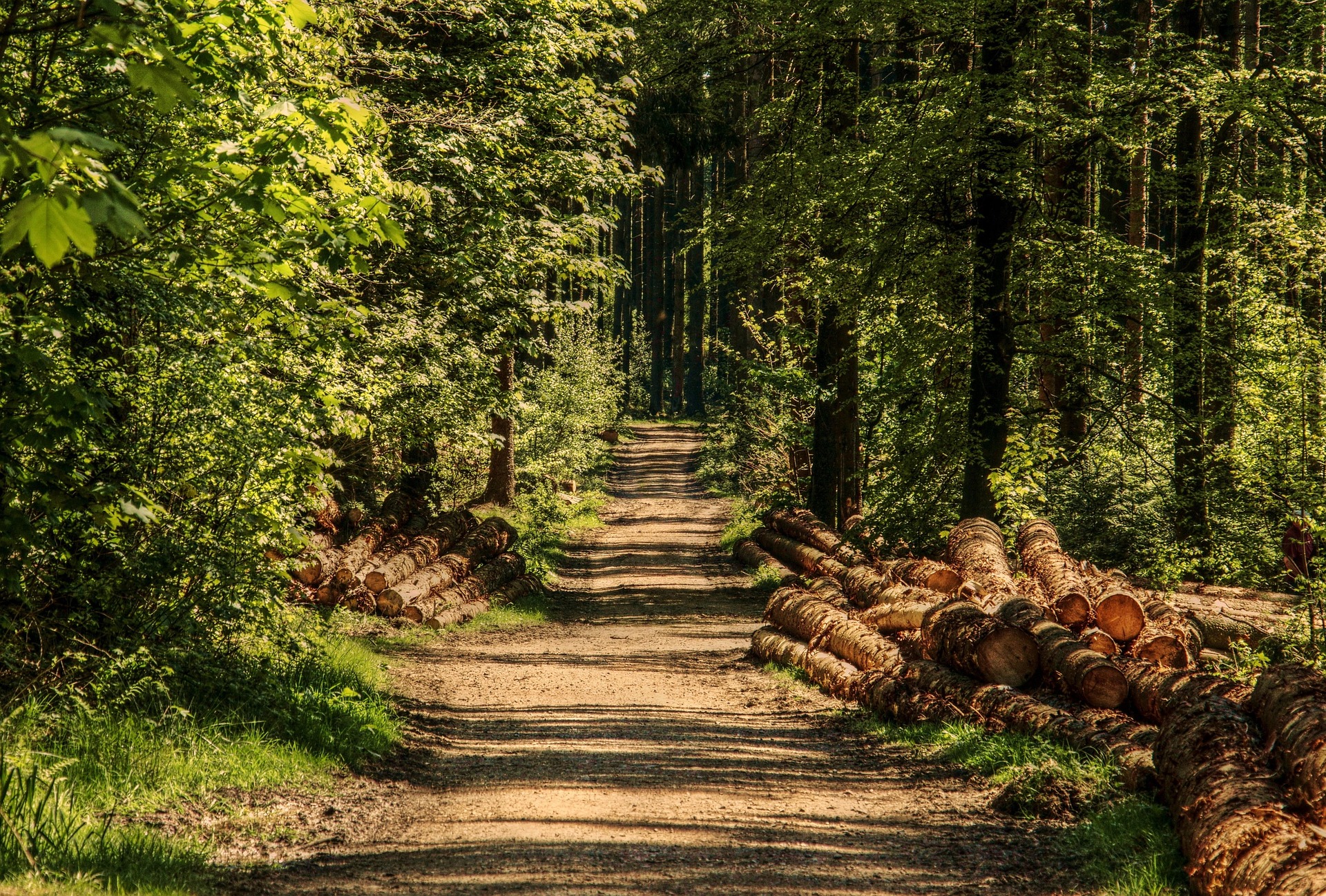
Natural Filtration in Forest Ecosystems
From a professional standpoint, a healthy forest ecosystem functions as a vast, highly efficient natural filtration system.
- Stabilization: Tree roots anchor the soil, acting as a natural skeleton to prevent erosion.
- Deceleration: Vegetation slows surface runoff, allowing vital time for water percolation.
- Absorption: The humus and organic layers trap sediments and actively adsorb or break down pollutants before they reach water sources.
Through these sophisticated mechanisms, forests improve both the quality and the reliability of water supply. The removal of forest cover means rainfall can carry soil, nutrients, and contaminants directly into water bodies, causing a surge in turbidity and pollution, and drastically increasing the difficulty of securing safe drinking water.

From Ecosystems to Engineering: HJC’s Refinement of Purity
At its core, filtration is about efficient separation—allowing clean matter to pass while blocking unwanted substances.
Modern water treatment technologies are built upon this very principle, learning from, mimicking, and advancing nature's blueprint.
Consider the core technology of HJC: the Reverse Osmosis (RO) membrane. It utilizes extremely fine, molecular-level pores designed to permit only water molecules to pass, while effectively blocking dissolved salts, minute sediments, organic pollutants, and various microscopic contaminants.
In this sense, RO membrane technology can be seen as a highly engineered system that replicates and refines the natural filtration process. It delivers exceptional precision and consistency where natural ecological systems have been weakened or lost.
The Technical Safeguard Under Environmental Duress
Climate change and land pressure are relentlessly testing the limits of natural water systems. Rising temperatures, erratic rainfall patterns, and ecosystem fragility are collectively diminishing nature's ability to regulate and purify water.
In these challenging conditions, engineered water treatment solutions play a critical role. They are not a replacement for nature, but rather a vital technical safeguard that reduces public health risk when the natural filtration barrier is no longer sufficient.
HJC’s Commitment: Stability and Performance Under Pressure
As a specialized provider of membrane technology, HJC recognizes the profound responsibility of ensuring water safety.
Our Reverse Osmosis membrane solutions are designed to deliver stable and efficient filtration across a wide spectrum of complex and unpredictable water conditions. By effectively reducing dissolved salts, suspended solids, and a broad range of contaminants, HJC RO membranes provide a reliable, consistent, and trustworthy source of filtration in regions facing increasing water quality volatility.
Our core commitment is focused on: ensuring performance and reliability under real-world, intensifying environmental pressure. HJC strives to provide global partners with the durable, high-performing core components they can depend on for long-term operation.
Technology and Ecology, Co-Creating Future Water Resilience
While advanced water treatment technologies offer immediate solutions to safety challenges, they cannot solve the crisis in isolation. Protecting existing forests, restoring degraded land, and strengthening environmental stewardship remain the essential cornerstones of long-term water resilience.
At HJC, we believe that responsible technological innovation must go hand-in-hand with ecological preservation. We use technology to secure safe water access today, while contributing to a future where natural ecosystems can once again fulfill their indispensable purification mission.
sorces:
Akana, D. 2025. “Study finds deforestation fuels West Africa’s water crisis.” Mongabay, 7 November 2025.