

Across the world, a slow-moving water crisis is unfolding.
From Louisiana in the United States, where residents recently reported salty tap water, to The Gambia, where rice fields have been abandoned due to rising salinity, seawater is steadily pushing into freshwater systems. In South Florida, the vulnerable Biscayne Aquifer faces increasing pressure. In Bangladesh and Vietnam’s Mekong Delta, saltwater has moved kilometers inland, reshaping agriculture and drinking water access.
This phenomenon is known as saltwater intrusion — the inland movement of saline water into freshwater aquifers and rivers. Once considered a localized coastal issue, it is now recognized as a global water challenge affecting communities across Asia, Africa, Europe, and North America.
And it is accelerating.
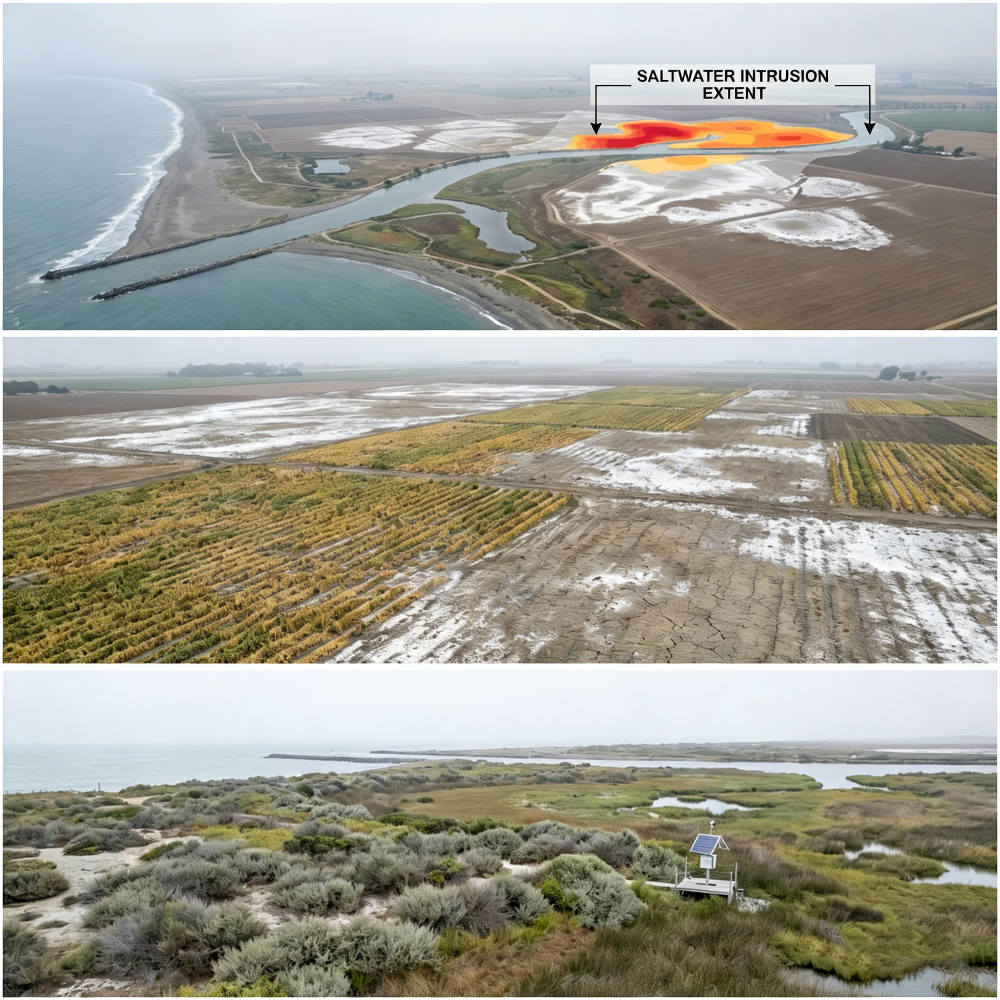
What Is Saltwater Intrusion?
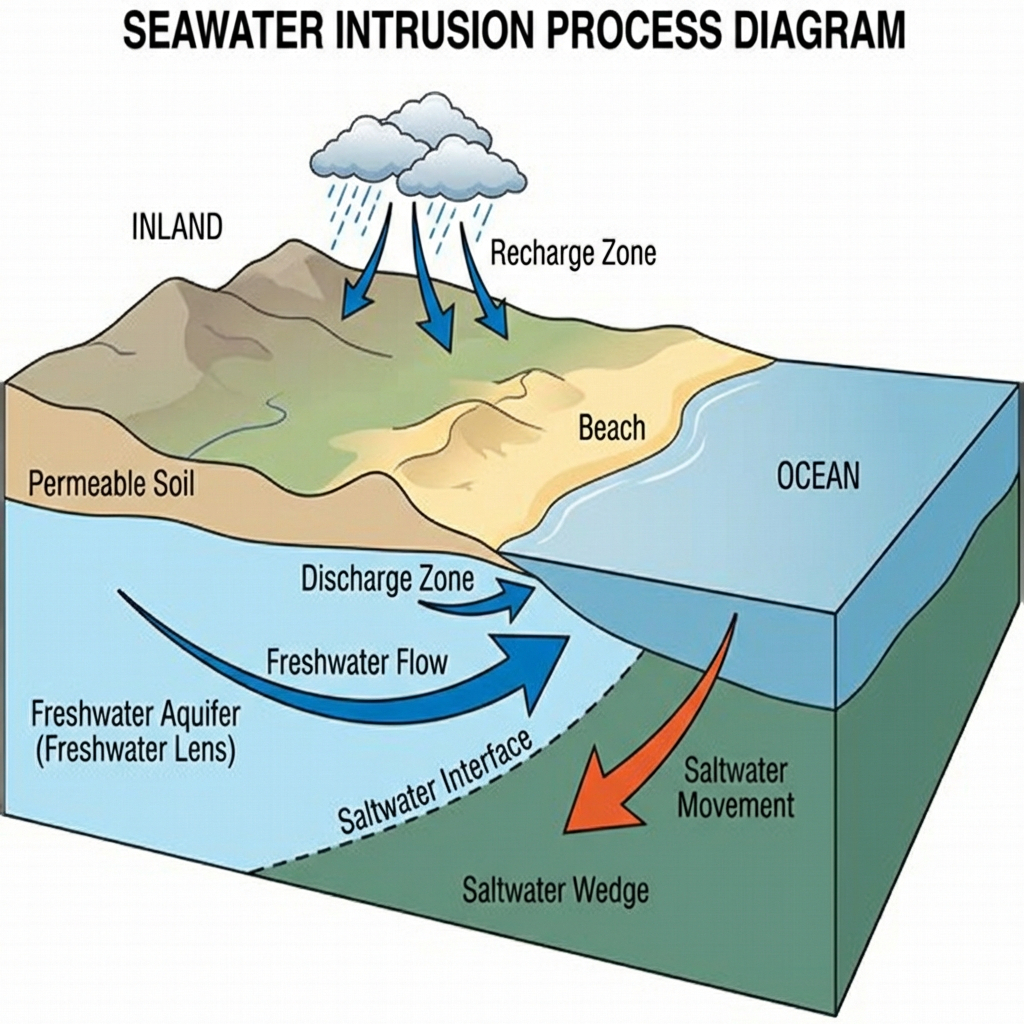
Saltwater intrusion occurs when the natural balance between freshwater and seawater is disrupted.
Under stable conditions, freshwater in aquifers pushes back against denser seawater. But several factors are tipping this balance:
-Rising sea levels
-Reduced rainfall and groundwater recharge
-Excessive groundwater extraction
-Increasing temperatures linked to climate change
As this equilibrium shifts, saline water moves inland — sometimes gradually, sometimes suddenly — contaminating wells, rivers, and municipal water sources.By 2050, many coastal regions worldwide are projected to experience measurable inland salinity shifts. By 2100, large portions of global coastlines may be affected.
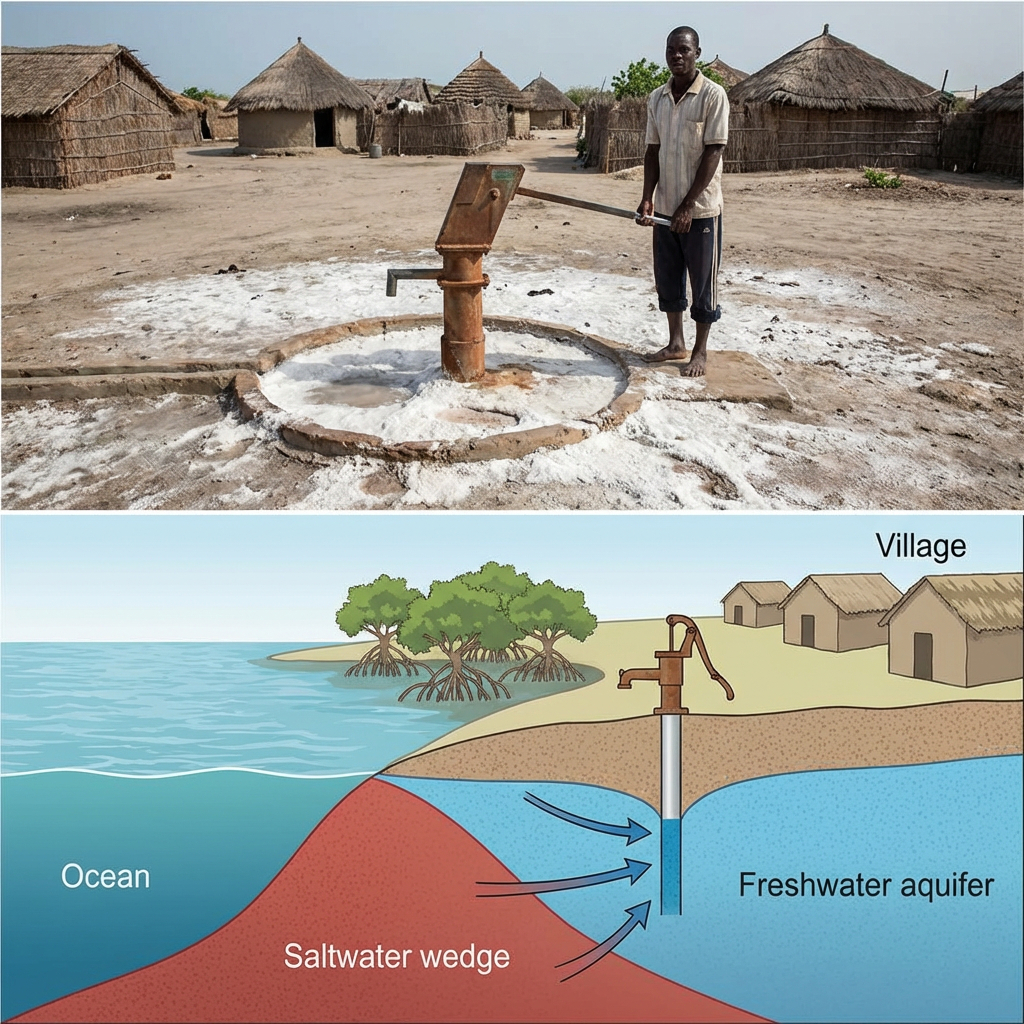
When Freshwater Turns Salty: Impacts on Drinking Water
Saltwater intrusion is more than an environmental issue — it is a drinking water challenge.
As salinity rises in source water, several problems emerge:
1. Increased TDS (Total Dissolved Solids)
Elevated TDS levels change water taste and can exceed acceptable drinking standards. In some regions, residents have already reported noticeable saltiness in tap water.
2. Health Concerns
Long-term consumption of saline water has been associated with increased risks of hypertension and complications during pregnancy in affected communities.
3. Infrastructure and Equipment Stress
High salinity accelerates corrosion in pipelines and increases scaling risks in water treatment systems. Conventional filtration technologies are often insufficient for removing dissolved salts.
In short: when coastal source water changes, traditional treatment strategies may no longer be enough.
Can Water Treatment Stop Saltwater Intrusion?
It is important to be clear:
Water treatment systems cannot prevent seawater from advancing into aquifers.
Saltwater intrusion is a hydrogeological and climate-driven process. It requires large-scale engineering responses such as:
-Tide gates and salinity barriers (as implemented in parts of Florida)
-Sluice systems in river deltas
-Groundwater management policies
-Coastal infrastructure reinforcement
These interventions operate at regional or national scales.
However, when source water salinity has already increased, communities and households still need safe drinking water solutions.
This is where water treatment becomes essential.
Treating High-Salinity and High-TDS Water at the Point of Use
When salinity levels rise, water treatment systems face new operational demands:
-Higher osmotic pressure
-Increased scaling risk
-Greater membrane stress
-Elevated energy requirements
Standard filters cannot remove dissolved salts.
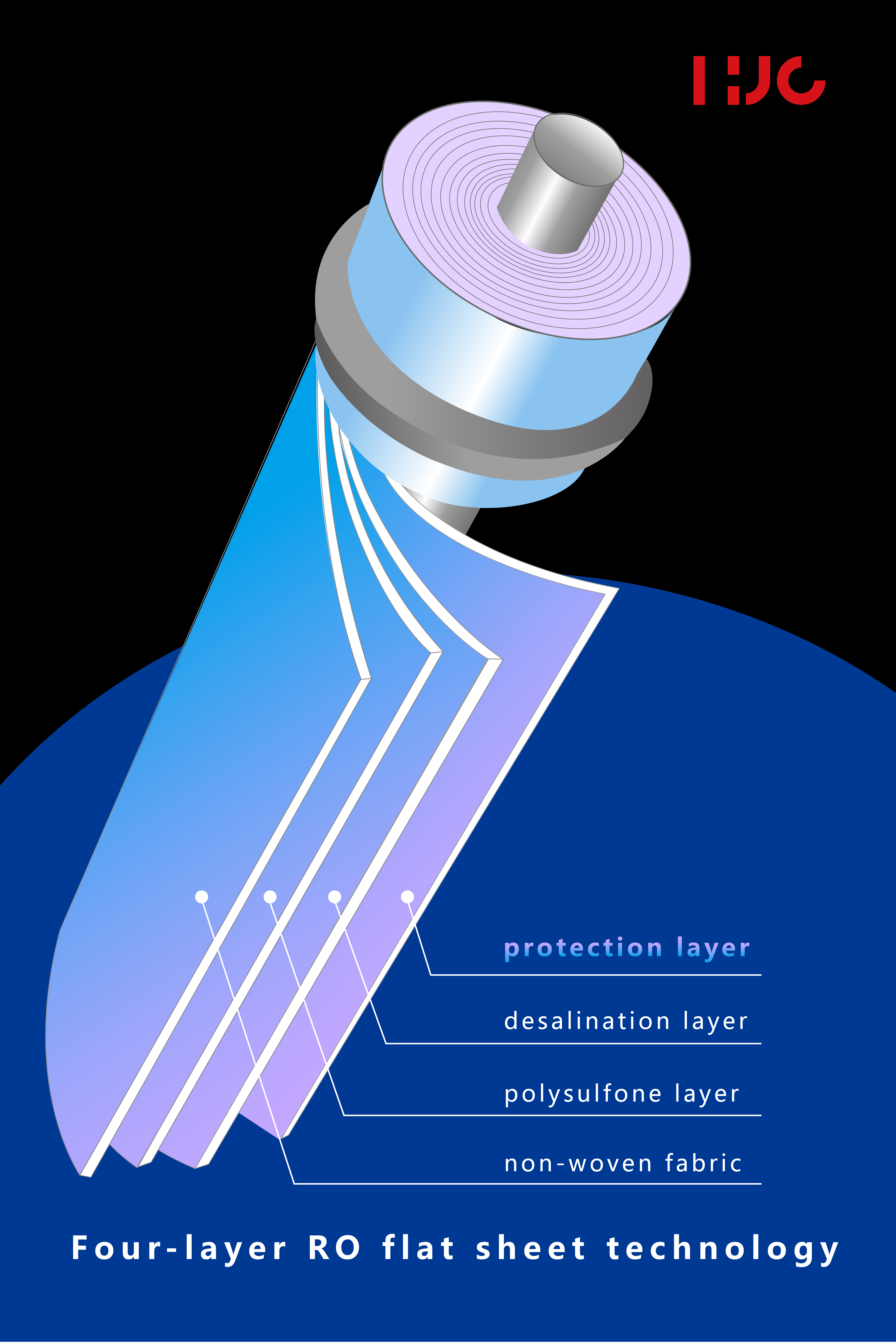
This is why reverse osmosis (RO) remains one of the most effective technologies for treating high-salinity water and elevated TDS levels in coastal and brackish water environments.
Properly designed RO membranes can:
-Achieve high salt rejection rates
-Stabilize drinking water quality despite source fluctuations
-Operate under challenging feedwater conditions
In regions affected by saltwater intrusion, RO systems are often the most reliable barrier between saline source water and potable water supply.
The Role of High-Performance RO Membranes in Salinity-Affected Regions
As coastal water systems evolve, membrane design must also adapt.
High-salinity feedwater requires:
-Optimized membrane structure for stable desalination
-Resistance to fouling and scaling
-Long-term performance stability
-Consistent salt rejection under variable conditions
At HJC, we focus on developing RO membranes engineered for demanding water environments — including applications where high TDS, brackish water, or coastal groundwater salinity are present.
We do not claim to stop seawater intrusion.
We cannot alter sea levels or groundwater dynamics.
But we can help ensure that when salinity reaches the tap, drinking water remains safe and controlled.
Saltwater intrusion represents a slow-onset but profound transformation of coastal freshwater systems.It affects agriculture, strains infrastructure.And increasingly, it challenges drinking water security.
As environmental conditions shift, water treatment must evolve accordingly.In salinity-affected regions, resilient membrane technology is no longer optional — it is essential to maintaining reliable access to safe drinking water.
When freshwater changes, treatment solutions must be ready.