

What Is “Flesh-Eating Bacteria,” and Why Is It Linked to Brackish Water?
In recent years, media reports in the United States and other coastal regions have frequently mentioned so-called “flesh-eating bacteria” infections. A significant portion of these cases are associated with a bacterium known as Vibrio vulnificus.
This bacterium naturally occurs in warm seawater and brackish water environments, including estuaries, lagoons, salt marshes, and river mouths. When water temperatures are relatively high and salinity levels are moderate, these bacteria are more likely to grow and multiply.
Brackish water refers to water formed by the mixing of freshwater and seawater. It is commonly found in estuaries, coastal wetlands, and certain groundwater systems. Compared with pure freshwater or seawater, brackish water has a distinct salinity range and ecological environment, which can support the growth of specific microorganisms.
Salinity and Microbial Conditions in Brackish Water
In the water treatment industry, water salinity is often measured using Total Dissolved Solids (TDS). Brackish water typically has a TDS level of approximately 1,000–30,000 mg/L, which falls between drinking-water freshwater (usually below about 500 mg/L) and seawater (around 35,000 mg/L).
This moderate salinity, combined with relatively warm temperatures, creates conditions that allow certain microorganisms—including Vibrio species—to survive and reproduce more easily. As a result, brackish water represents not only a unique ecological environment but also an important subject of study in water resource development and treatment.
Main Routes of Vibrio Infection and At-Risk Groups
There are two primary ways in which Vibrio infections occur:
Foodborne exposure
Consumption of contaminated or undercooked seafood, particularly raw oysters and other shellfish.
Wound exposure
Contact with contaminated seawater or brackish water when the skin has cuts, wounds, or other damage.
For most healthy individuals, infections typically manifest as self-limiting gastrointestinal illness, with symptoms such as diarrhea, abdominal pain, nausea, or fever.
However, for people with weakened immune systems—or those with underlying conditions such as diabetes or liver disease—the infection can progress rapidly into severe wound infections, necrotizing fasciitis, or even bloodstream infections. These cases carry a higher risk of mortality and require prompt medical attention and treatment.
How to Reduce Exposure and Infection Risk
Contact with brackish or coastal waters does not necessarily mean a high risk of infection, but several basic precautions are recommended:
-If you have open wounds or damaged skin, avoid direct contact with seawater or brackish water, or ensure proper waterproof protection.
-Avoid consuming raw or undercooked shellfish, especially oysters; seafood should be cooked thoroughly at adequate temperatures.
-If symptoms such as wound redness, swelling, severe pain, or high fever occur after exposure to coastal or brackish water, seek medical care promptly and inform healthcare providers of the exposure.
Beyond the public health perspective, these risks also highlight an important point: when brackish water is developed for drinking water or industrial use, it must undergo reliable water treatment.
Water Treatment Challenges in Brackish Water and the Role of Reverse Osmosis
From a water resource perspective, brackish water is not only linked to ecological and health considerations—it is also an important non-conventional water source in many regions around the world. Coastal groundwater, estuarine water, and certain saline aquifers all fall into this category.
Compared with conventional freshwater, brackish water typically contains:
-Higher TDS and dissolved salt concentrations
-More complex organic and microbial loads
-Greater water quality fluctuations due to tides, rainfall, and river inflows
These factors place higher demands on the stability and efficiency of treatment processes.
One of the most widely used solutions today is Brackish Water Reverse Osmosis (BWRO). By using semi-permeable membranes under controlled pressure, BWRO systems can effectively separate dissolved salts, organic compounds, and microorganisms. Compared with seawater desalination systems, BWRO generally operates at lower pressures, enabling efficient desalination with relatively lower energy consumption, making it a key treatment technology for many municipal and industrial water projects.
HJC Brackish Water RO Membrane Solutions
At HJC, we have developed the BW series reverse osmosis membrane elements specifically for brackish and slightly saline water applications. These membranes are suitable for feed water with TDS levels of approximately 1,000–10,000 ppm, including sources such as coastal groundwater, estuarine water, and certain industrial reclaimed water streams with relatively high organic and inorganic loads.
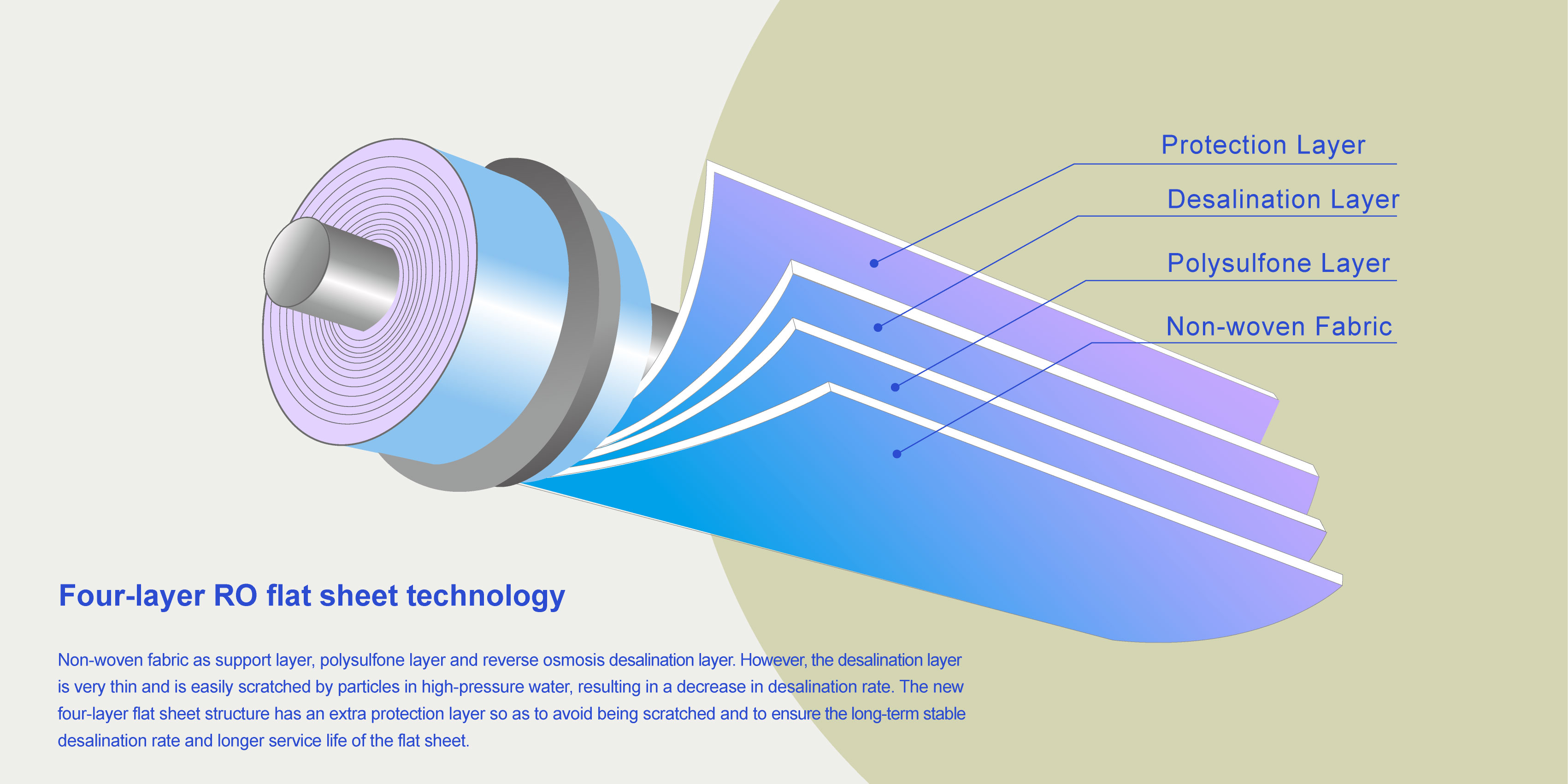
Leveraging HJC’s unique four-layer membrane structure, the BW series maintains stable permeate flow and desalination performance even in waters with a higher fouling tendency. With appropriate system design and proper operation, membrane elements can typically achieve at least one year of stable operation, helping reduce membrane replacement frequency and overall operational costs.
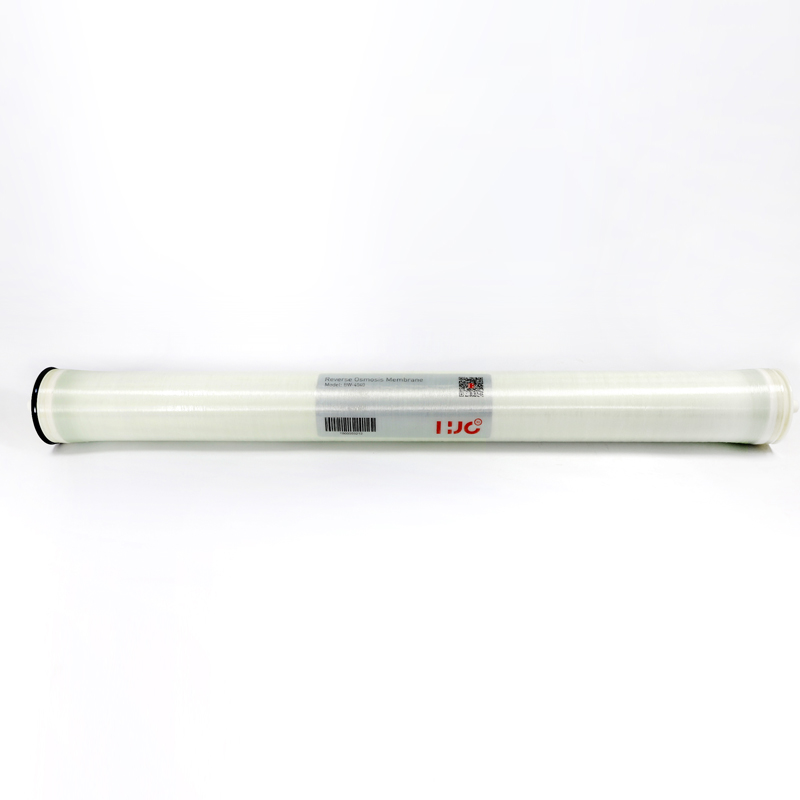
HJC offers industrial brackish water RO membrane elements in multiple configurations—including 4021, 4040, and 8040 sizes—to accommodate a wide range of production capacities, from small commercial systems to large-scale industrial and municipal projects. These membranes have been widely applied in coastal groundwater desalination, island water supply, industrial water treatment, and agricultural irrigation using brackish water sources.
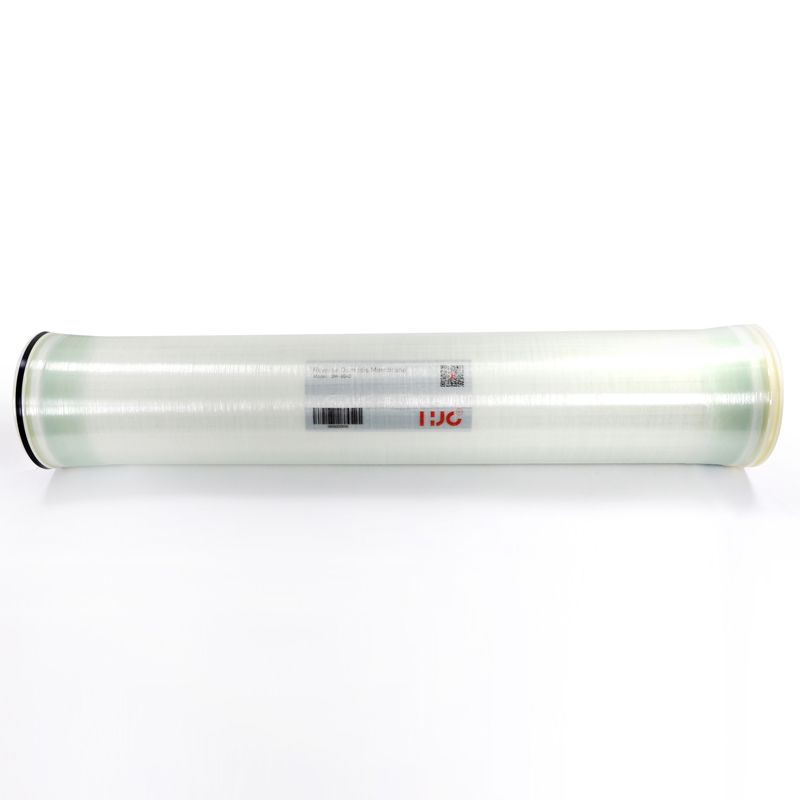
Through efficient and reliable BWRO membrane technology, brackish and slightly saline water sources are increasingly being transformed from limited resources into sustainable and economically viable water supplies.