

Across several regions in Telangana, India, groundwater is facing a complex reality: rising water levels do not necessarily translate into safer drinking water.
According to the latest groundwater assessment data, more than 2,200 samples collected before and after the monsoon show that multiple areas still record excessive levels of fluoride, nitrate, and high salinity (TDS). Although monitoring wells generally show rising groundwater levels following improved rainfall conditions, water quality issues continue to persist across different regions.
This situation also reflects a broader challenge seen in many groundwater-dependent regions worldwide: water availability is improving, but drinkability is not keeping pace.
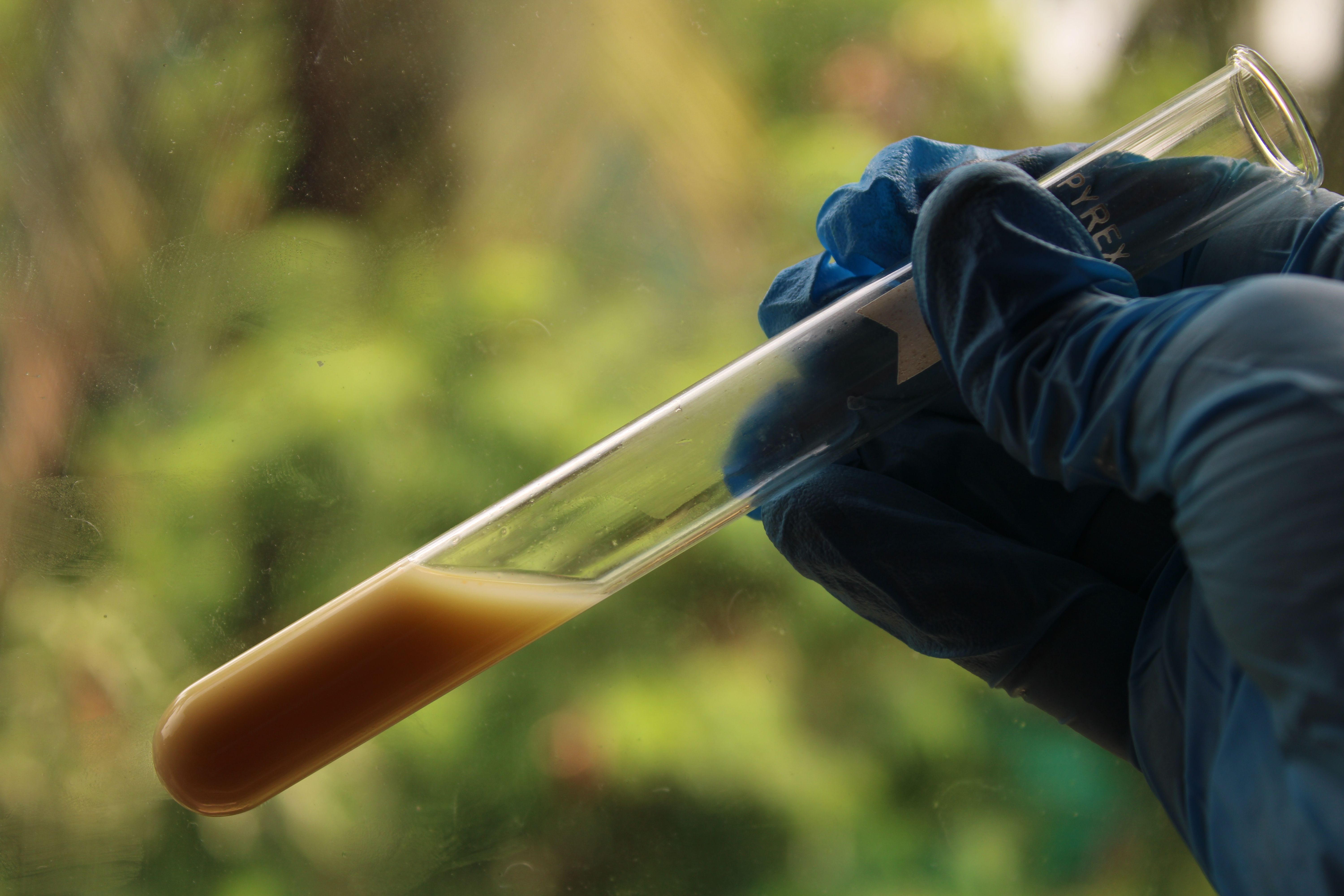
Multiple Contaminants Coexist: More Than a Single Water Quality Issue
The report indicates that groundwater pollution in the region presents a clear pattern of multi-factor contamination:
Fluoride Contamination
In some areas, extremely high fluoride concentrations have been detected, with certain locations significantly exceeding the World Health Organization’s recommended drinking water guideline of 1.5 mg/L. Long-term exposure may affect dental and skeletal health.
Nitrate Contamination
Nitrate pollution is more widespread, with exceedances recorded across multiple districts. In some cases, levels are significantly higher than the safety threshold of 50 mg/L. The main sources are associated with excessive agricultural fertilizer use, sewage leakage, and infiltration from surface runoff.
High Salinity and TDS Issues
In certain regions, total dissolved solids (TDS) reach several thousand mg/L or even higher. While TDS itself is not always an acute health hazard, it can significantly affect taste, increase scaling, and impact everyday water usability.
The combination of “fluoride + nitrate + salinity” makes water treatment significantly more challenging than dealing with a single contaminant source.
Dual Drivers: Geological Conditions and Human Activities
The study highlights that groundwater quality issues in the region are driven by both natural geological conditions and human activities.
On one hand, about 80% of Telangana consists of hard rock formations such as granite, gneiss, and schist. During long groundwater circulation cycles, water tends to interact with fluoride-bearing minerals, leading to natural fluoride enrichment.
On the other hand, human activities further intensify the contamination load:
· Long-term excessive use of agricultural fertilizers
· Agricultural runoff infiltrating aquifers
· Insufficient treatment of domestic sewage and wastewater
· Simultaneous groundwater recharge and pollutant migration
Together, these factors contribute to the continuous accumulation of contaminants in the groundwater system.
Water Levels Recover, but Water Quality Challenges Remain
It is noteworthy that groundwater levels in the region have significantly recovered in recent years due to increased rainfall, with some monitoring data even showing levels above long-term averages.
However, this recovery in water quantity has not automatically led to improvements in drinking water safety.
This highlights a key reality:
Groundwater system recovery is determined not only by recharge volume, but also by the ability to control and manage contamination.
In other words, groundwater management is shifting from “supply recovery” to “water quality governance.”
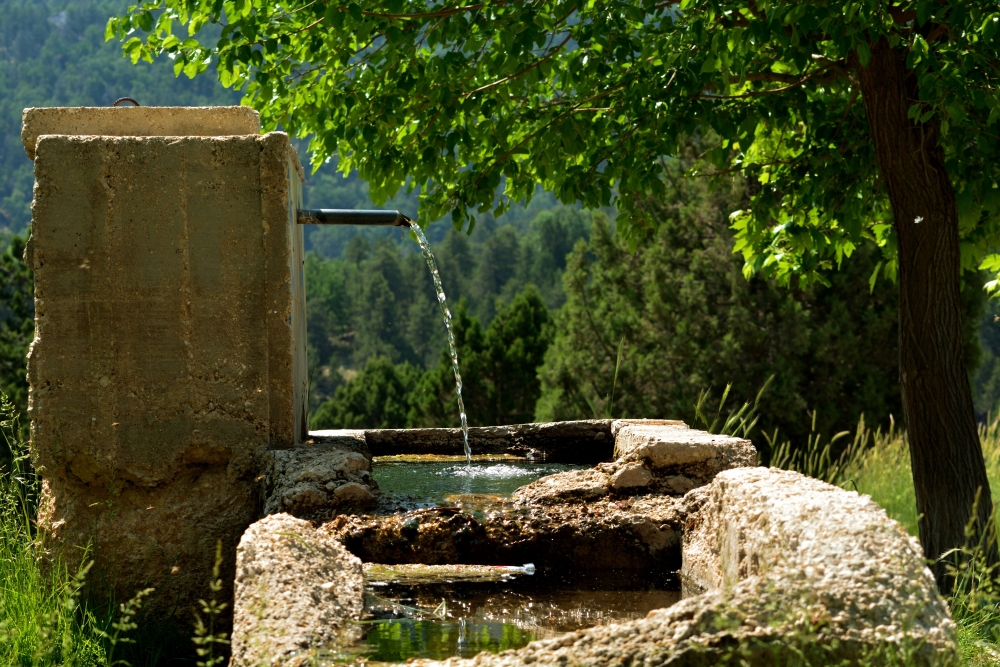
Water Treatment Pathways: From Particle Removal to Molecular-Level Purification
For dissolved contaminants such as fluoride, nitrate, and high TDS, conventional filtration methods are often insufficient, requiring more advanced membrane separation technologies.
Under such water conditions, reverse osmosis (RO) membrane technology is widely used in drinking water treatment systems due to its molecular-level separation capability:
· Effective removal of dissolved salts (TDS)
· High rejection performance for small dissolved ions such as nitrate and fluoride
· Stable water quality output under varying feedwater conditions
In practical applications, RO systems are typically deployed as the core unit within multi-stage treatment processes, working in combination with pretreatment systems to handle fluctuations in raw water quality across different regions.
A Broader Perspective: A Global Pattern Emerging
The case of Telangana is not an isolated example, but rather reflects a broader trend seen in many groundwater-dependent regions worldwide:
· Improved groundwater recharge conditions
· Increasing complexity of water pollution profiles
· Growing combined impact of agricultural and urban activities
· Rising pressure on drinking water safety standards
Future water treatment systems may no longer function as simple “water supply systems,” but rather as dynamic purification frameworks continuously responding to evolving multi-source contamination.
As groundwater shifts from a scarcity-driven challenge to a more complex water quality issue, the role of water treatment technologies is also evolving.
Against this backdrop, reverse osmosis (RO) membrane technology continues to play a foundational role due to its stable and reliable separation performance. While it is not a universal solution to all water challenges, it remains one of the most mature and widely adopted pathways for bridging complex raw water conditions and safe drinking water.
As a company focused on membrane separation technology and high-salinity water treatment applications, HJC continues to monitor regional water quality dynamics and develop RO membrane solutions adapted to complex feedwater environments.
In the context of continuously evolving global groundwater quality challenges, such technological approaches are increasingly becoming an essential component of modern water safety systems.