

Climate forecasts suggest that El Niño is likely to return, bringing increased risks of drought, prolonged heat, and reduced rainfall across parts of Southeast Asia. In Vietnam, experts have warned that lower river flows and increased seawater intrusion could place growing pressure on agriculture, freshwater resources, and local communities.
While drought is often the most visible impact of El Niño, another important consequence receives far less attention: soil salinization. As dry conditions persist, salts that are naturally present in the soil—or introduced through irrigation—are less likely to be washed away by rainfall. Instead, they gradually accumulate in the upper soil layers and nearby water bodies, creating long-term challenges for agriculture and water management, especially in coastal and drought-prone regions.
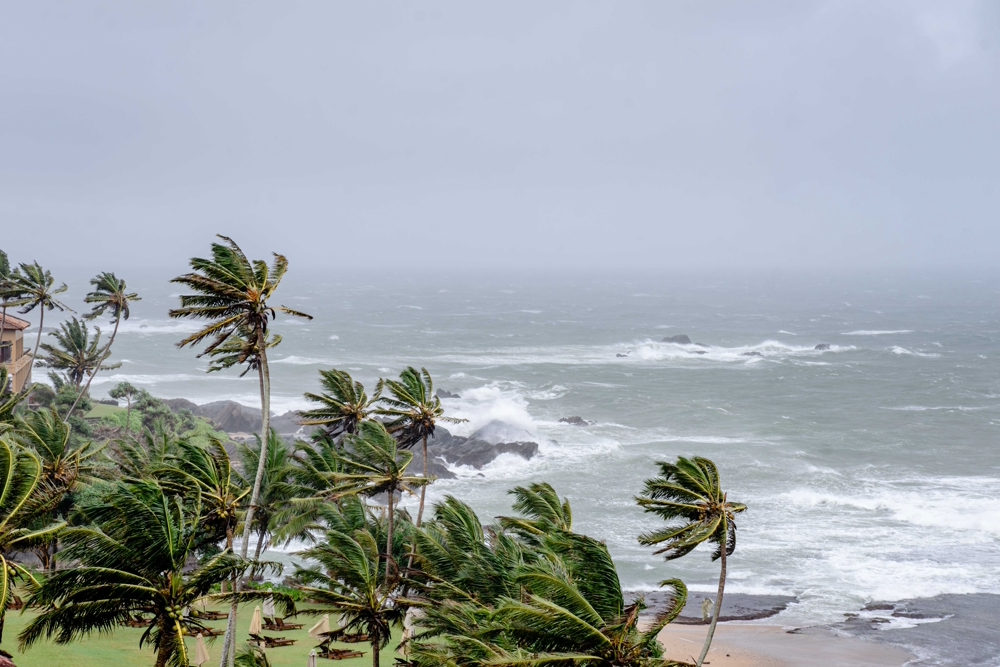
How El Niño Contributes to Soil Salinization
El Niño is a natural climate pattern caused by unusually warm sea surface temperatures in the Pacific Ocean. These changes alter atmospheric circulation and often reduce seasonal rainfall across many parts of Southeast Asia.
The result is a chain reaction:
El Niño → Less Rainfall → Lower River Flow → Higher Evaporation → Greater Salt Accumulation
Under normal conditions, rainfall helps flush salts deeper into the soil through a natural process called salt leaching. During prolonged dry periods, however, this process slows significantly.
At the same time, high temperatures increase evaporation. While water evaporates into the atmosphere, dissolved salts remain behind, gradually becoming more concentrated in the soil.
Over time, these combined effects can increase soil salinity, making it more difficult for plant roots to absorb water and nutrients. The severity of salinization varies depending on factors such as soil type, drainage conditions, irrigation practices, and climate. With effective water management and drainage, part of the accumulated salt can be controlled or gradually removed.
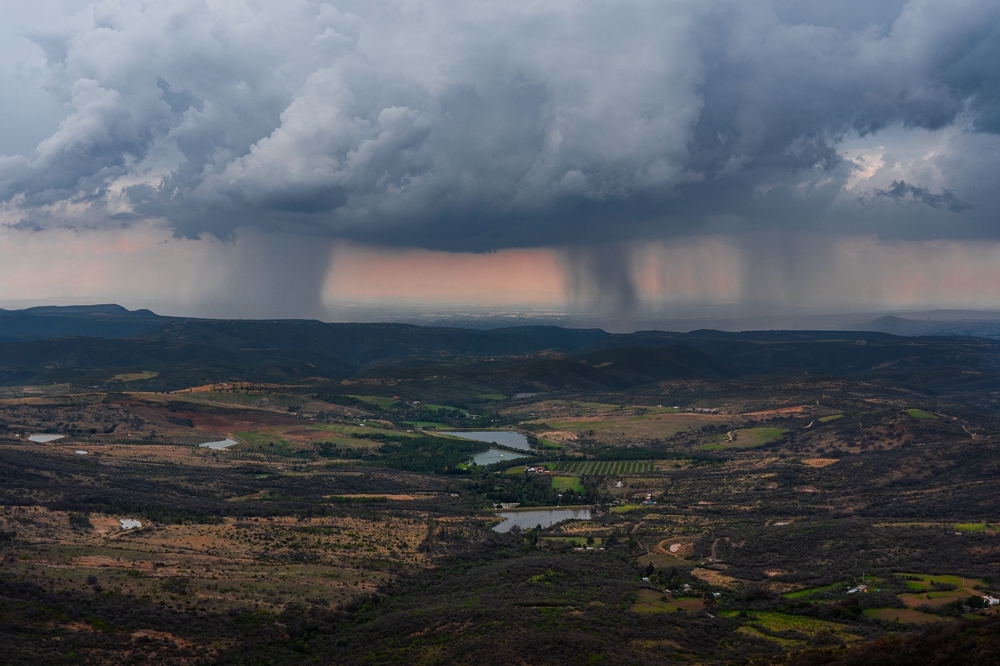
Seawater Intrusion Adds Another Challenge
For low-lying coastal regions such as Vietnam's Mekong Delta, drought creates an additional risk: seawater intrusion.
Normally, river flow helps prevent seawater from moving inland. During El Niño, reduced freshwater discharge weakens this natural barrier, allowing seawater to travel farther upstream through rivers and canals.
As seawater moves inland, the salinity of rivers, canals, and shallow groundwater may increase, reducing the availability of freshwater for irrigation, agriculture, and domestic use. Combined with stronger evaporation during hot weather, these conditions can further increase salinity in vulnerable areas.
Why It Matters for Water Quality
Higher salinity affects more than agricultural production. It also creates additional challenges for water supply and water treatment, particularly in regions that rely on rivers, shallow groundwater, or brackish water sources.
As climate variability increases, some regions may experience more frequent periods of drought and elevated salinity. In these conditions, reliable water treatment technologies become increasingly important for maintaining stable water quality.
For areas affected by seawater intrusion or evaporation-driven salinity, reverse osmosis (RO) remains one of the most effective technologies for reducing dissolved salts and improving water quality.
At HJC, we continue to develop RO membrane technologies designed for high salt water applications, helping customers achieve reliable membrane performance under increasingly challenging water conditions.
Understanding how El Niño, drought, soil salinization, and water quality are connected is an important step toward building more resilient water management strategies in a changing climate.