

Why Water Contaminants Matter
Clean drinking water begins with clean source water—but along its journey, water can encounter a variety of contaminants.
In addition to naturally occurring minerals, drinking water may be affected by aging distribution pipelines, industrial discharge, agricultural runoff, environmental pollution, or damaged plumbing systems. Even after municipal treatment, trace amounts of dissolved salts, heavy metals, microorganisms, and other impurities may still remain in the water supply.
While not every contaminant poses an immediate health risk, growing awareness of water quality has led more households to seek reliable purification solutions for safer everyday drinking water.
How Reverse Osmosis Works
Reverse osmosis (RO) uses pressure to push water through a semi-permeable membrane.
The membrane allows water molecules to pass while rejecting a wide range of dissolved contaminants, making RO one of the world's most effective and widely adopted technologies for drinking water purification.
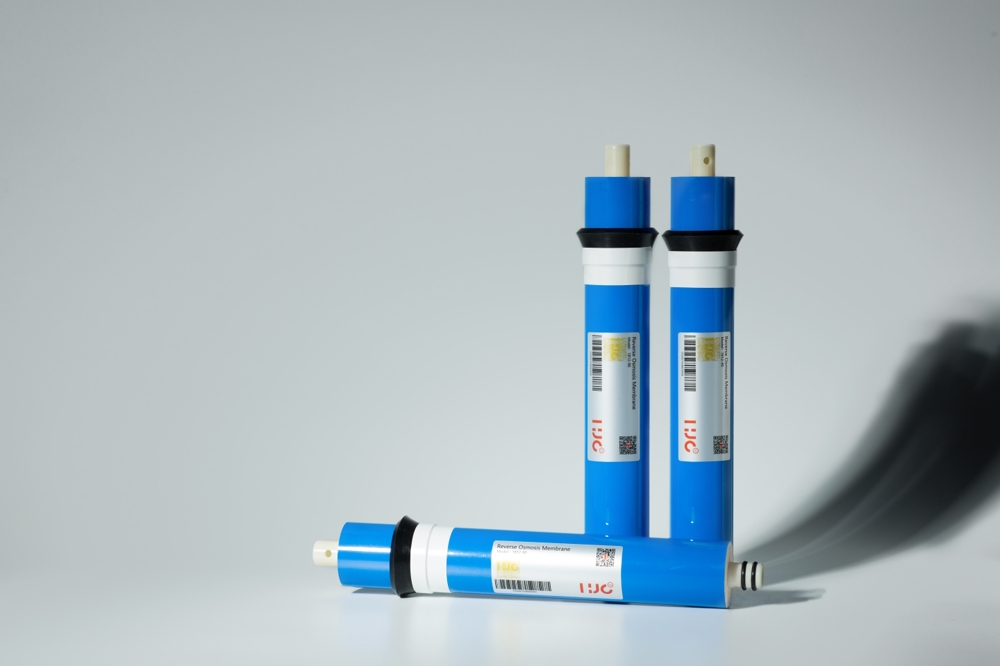
What Can an RO Membrane Reduce?
A high-quality RO membrane can significantly reduce a broad range of contaminants, including:
· Heavy metals such as lead and arsenic
· Dissolved salts and Total Dissolved Solids (TDS)
· Nitrates and fluoride
· Many bacteria and viruses when used in a properly designed RO system
· Fine particles and other dissolved impurities
The actual purification performance depends on feed water quality, system design, and membrane performance.
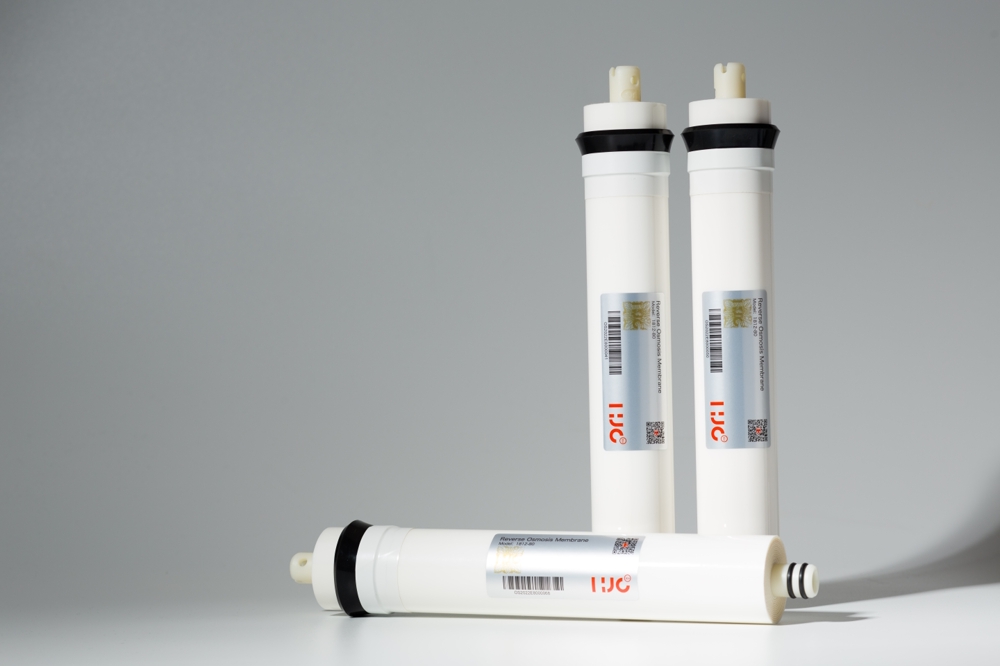
Why Membrane Quality Makes the Difference
The RO membrane is the heart of every reverse osmosis system.
Its salt rejection, water flux, fouling resistance, and long-term stability directly influence water quality, production efficiency, and system lifespan. Choosing a high-performance membrane helps ensure consistent purification while reducing maintenance and replacement frequency over time.
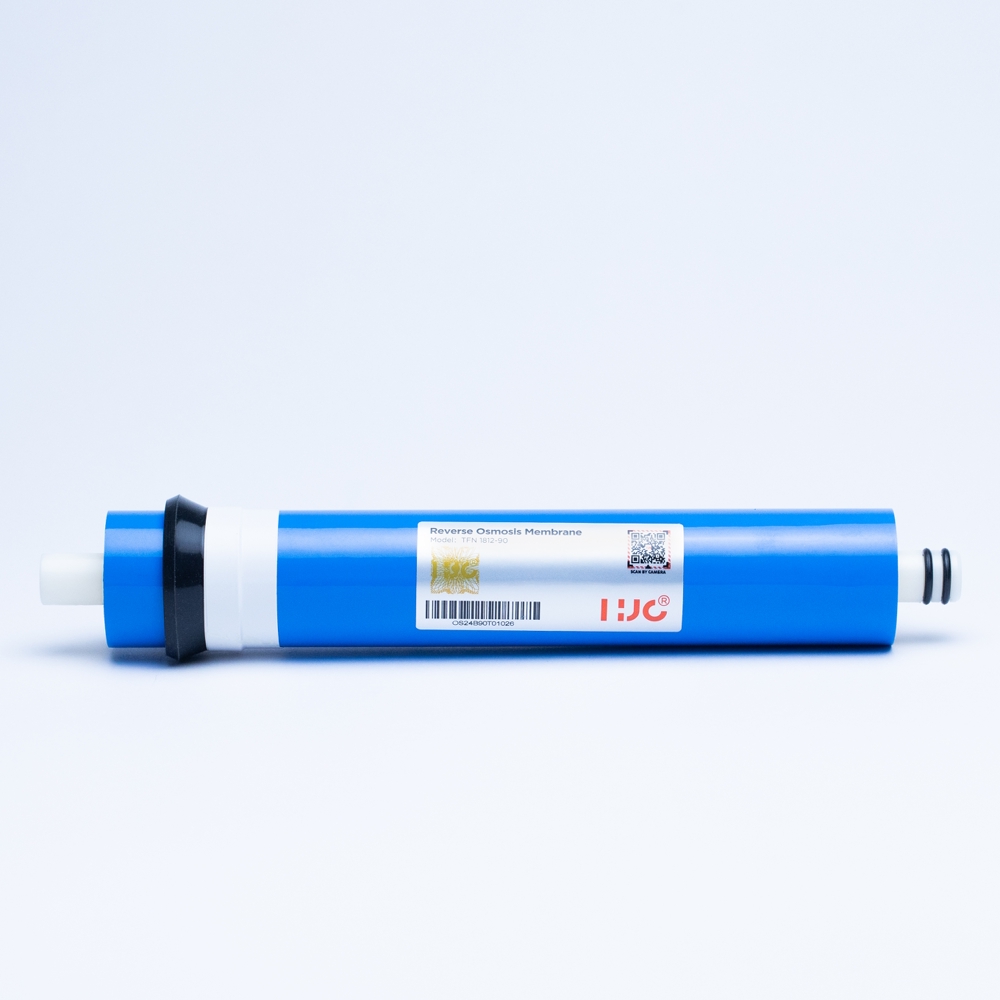
HJC RO Membrane Solutions
Different water conditions require different membrane technologies. That's why HJC offers a complete portfolio of RO membranes designed for a wide range of residential and high-salinity water applications.
· 2G Series — A cost-effective solution offering 97% salt rejection and reliable filtration for everyday residential water purification.
· 3G Series — Engineered for feed water up to 4,500 ppm TDS, delivering stable performance in higher-salinity conditions through HJC's proprietary four-layer membrane technology.
· 4G Series — Available in 90 GPD and 110 GPD, providing higher water production while maintaining 98% salt rejection.
· TFN Series — Powered by Thin Film Nanocomposite Technology, delivering up to 200% higher water flux, ≥97% salt rejection, and enhanced anti-fouling performance.
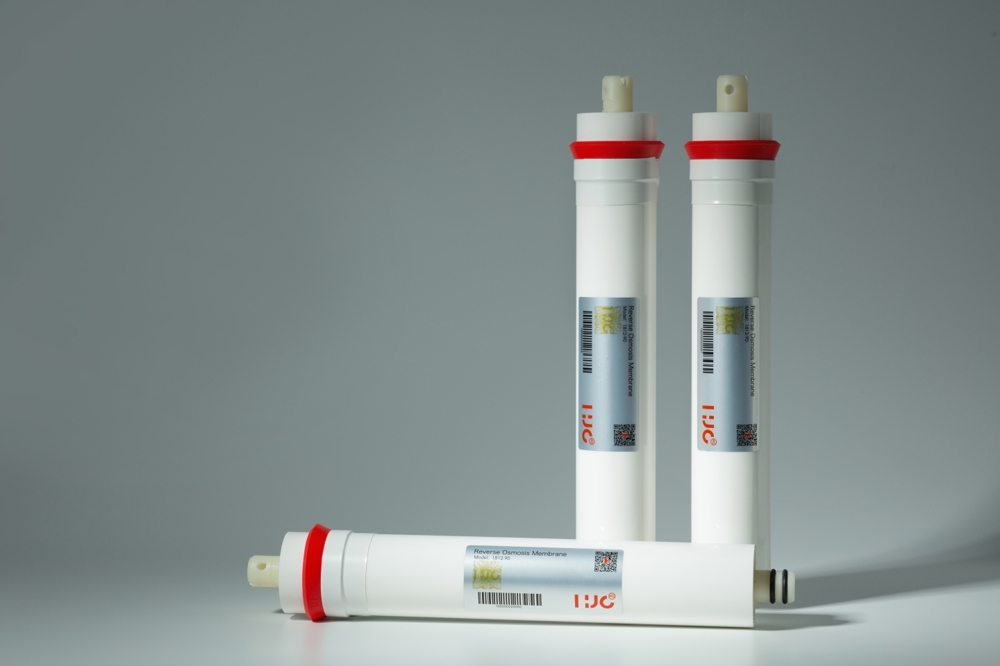
From economical everyday filtration to advanced membrane technologies for demanding water conditions, HJC provides RO membrane solutions that combine stable performance, long service life, and dependable water quality—helping manufacturers, distributors, and end users choose the right membrane for every application.