

Climate change does not always manifest as wildfires, storms, or floods.
In some coastal, delta, arid, and semi-arid regions, changes are happening more slowly—but they are steadily reshaping the water and soil environments that people depend on: Freshwater, groundwater, and soils are becoming increasingly saline.
Sea-level rise can increase the risk of seawater intrusion into estuaries, coastal aquifers, and low-lying farmland. Excessive groundwater extraction can weaken the hydraulic barrier that helps keep seawater out, while reduced river flows or longer dry seasons can further reduce the ability of estuaries and deltas to resist saltwater intrusion.
At the same time, rising temperatures and increased evaporation can further concentrate salts in soils and surface water.
These processes do not occur in the same way everywhere. Their impacts also depend on local topography, hydrological conditions, groundwater extraction, drainage and irrigation systems, and land use.
But for regions that depend on freshwater agriculture, one increasingly pressing question is emerging: When water and soil become saltier, how can we continue to grow food?
In some places, one seemingly practical answer is emerging: Turn to saltwater aquaculture.
But that raises another question: Can a livelihood strategy that helps people adapt to saline conditions also create new environmental risks under certain conditions?
When Traditional Agriculture Faces Increasing Salinity
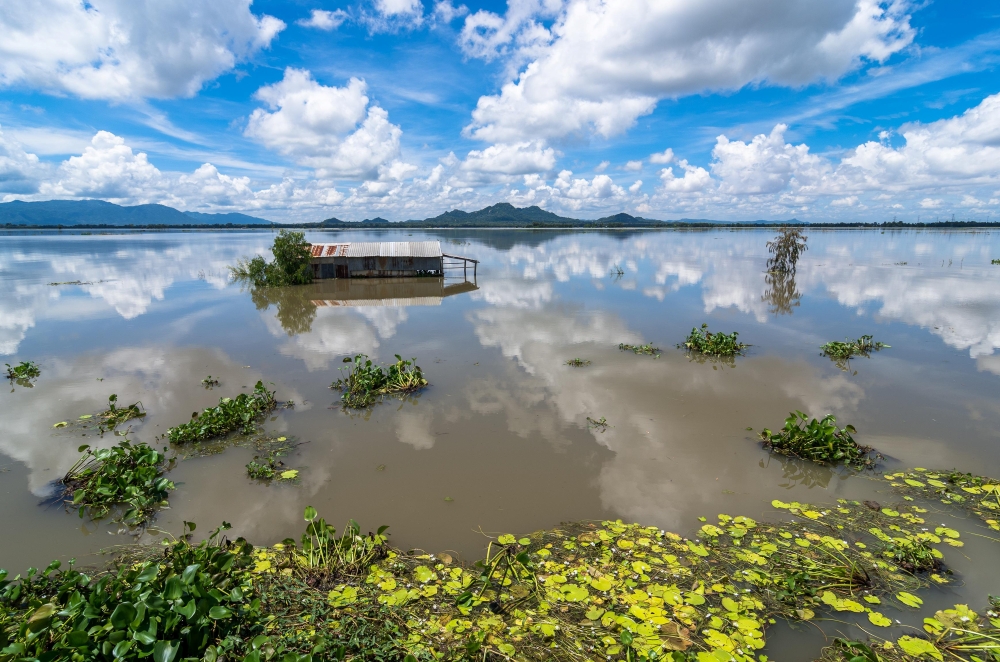
For farmers in coastal and delta regions, rising salinity is not a distant environmental issue.
It can directly affect the water they use and the land they depend on every day.
When seawater intrusion, groundwater extraction, and changes in freshwater recharge occur together, salt can gradually enter:
Rivers and other surface freshwater sources
Groundwater aquifers
Agricultural soils
Coastal farmland and delta regions
The consequences for agriculture can be immediate.
When soil salinity becomes too high, plants may struggle to take up water from the root zone even when water is present because of osmotic stress.
Simply put: Even when the soil surface appears wet, higher salt concentrations increase the osmotic pressure of the soil solution, making it more difficult for plant roots to absorb water.
Excessive concentrations of certain ions can also cause ion toxicity and interfere with the uptake of essential nutrients.
The results may include: Poor emergence → restricted growth → reduced yields → changes in cropping patterns.
The severity of salt stress depends on factors including salinity levels, soil drainage, irrigation water quality, and crop salt tolerance. Under severe conditions, conventional crop production may no longer be economically viable.
Soil and water salinization is therefore not only a water-resource issue. It can gradually become a: livelihood issue—and a food security issue.
When Farming Becomes Harder, Saltwater Aquaculture Becomes an Option
As environmental conditions change, farmers need to find new ways to make a living.
In some coastal regions, when traditional agriculture is affected by salinity, saltwater or brackish-water aquaculture can become an economic alternative.
Shrimp, crab, and other species adapted to saline environments can provide new sources of income for local communities.
In the short term, this can be a reasonable adaptation strategy.
When farmland becomes increasingly difficult to cultivate, people are not thinking only about the environment. They are also facing a very practical question: “How can I make a living?”
If aquaculture offers higher market value, shifting toward it can make economic sense.
But whether this transition creates long-term environmental risks cannot be answered with a simple yes or no.
The more important question is: Where does the salt go after it enters the aquaculture system?
But Where Does the Salt Go?
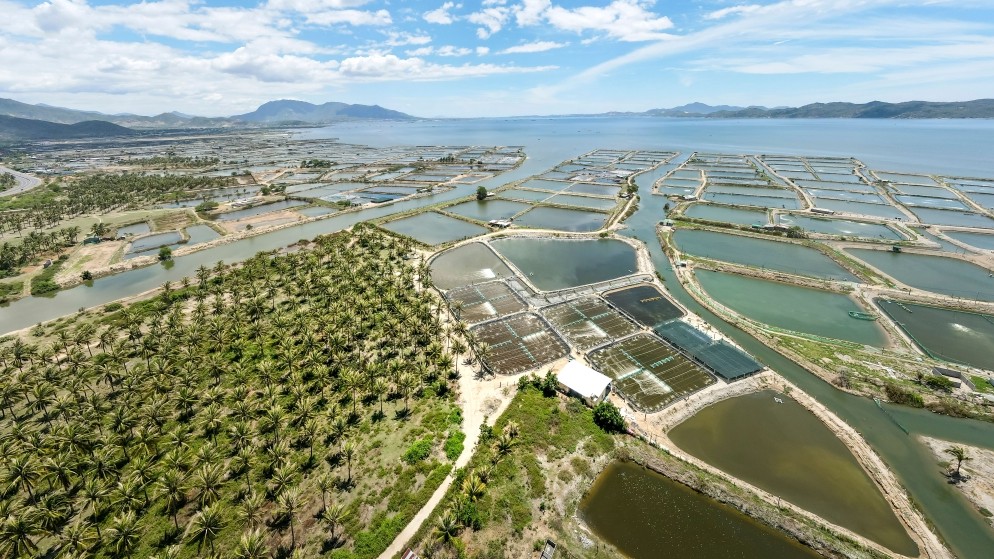
Saltwater aquaculture does not automatically mean that surrounding soils or groundwater will become salinized.
The risks depend on many specific conditions, including:
Pond lining and seepage control
The source of aquaculture water
Water exchange rates
Tidal exchange
Groundwater extraction intensity
Effluent discharge practices
Local soil and groundwater conditions
Water-resource regulation and management
If ponds have inadequate seepage control, saline water may leak into surrounding environments. Likewise, if frequent water exchange generates high-salinity effluent that is not properly collected, reused, or legally discharged, salts may migrate into nearby soils, drainage channels, or groundwater.
In areas with intensive groundwater extraction, poor drainage, or strong hydrological connectivity, these risks may be more significant.
So the key question is not simply: “Should saline water be used?”
It is: “How is saline water used, circulated, discharged, and managed?”
Short-Term Adaptation Can Create Long-Term Risks
This is one of the less visible contradictions of salinity adaptation.
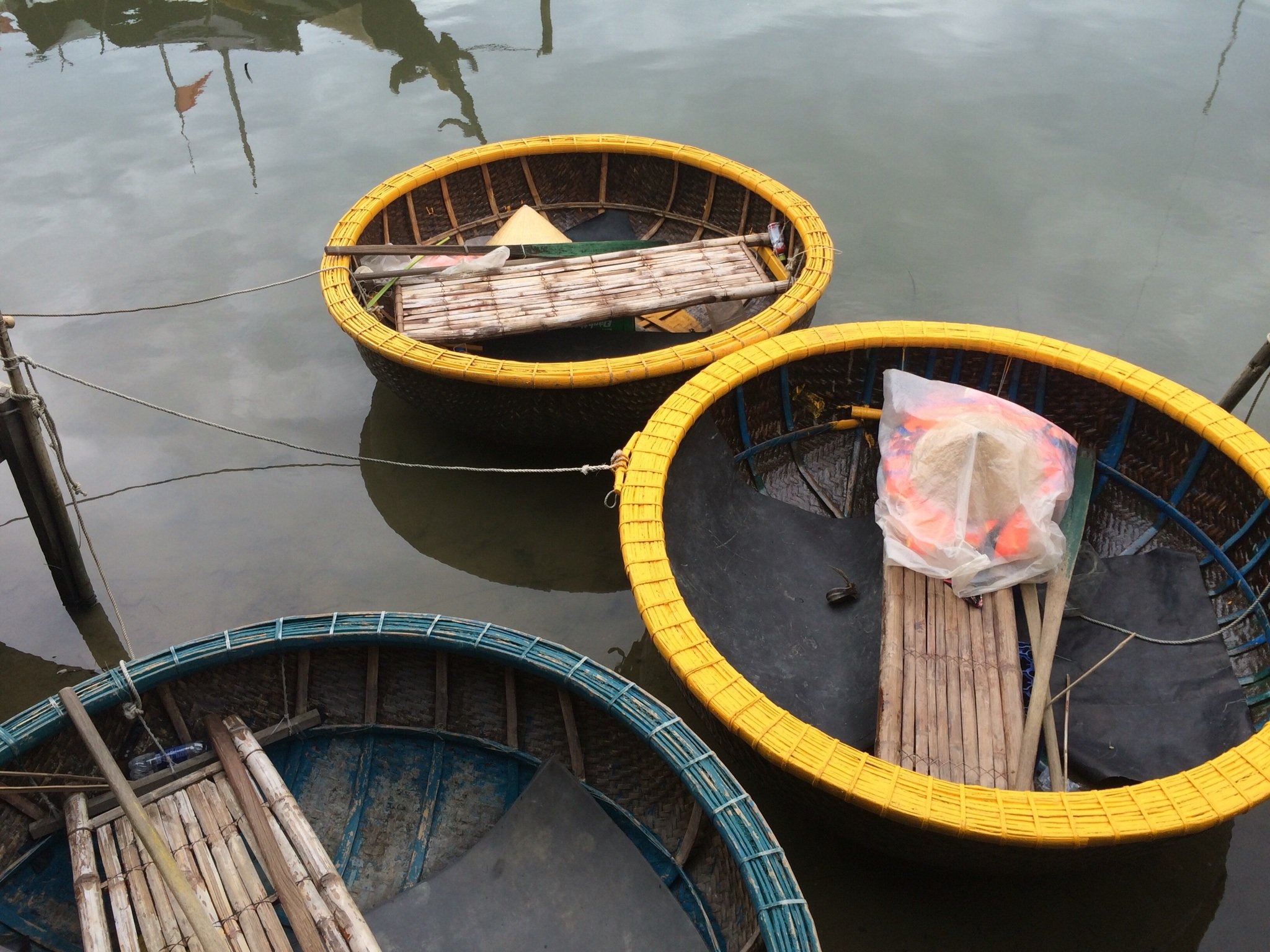
When traditional agriculture becomes increasingly difficult because of rising salinity, shifting to saltwater aquaculture can help local communities generate new income.
But if the risks of saline-water seepage, discharge, or improper disposal increase, surrounding soils and groundwater may also be affected.
A potential risk pathway can emerge:
Rising salinity
↓
Traditional agriculture is affected
↓
Shift toward saltwater aquaculture
↓
Greater management pressure from saline aquaculture water
↓
Seepage or improper effluent disposal
↓
Impacts on surrounding soil and groundwater
↓
Greater difficulty restoring land for conventional agriculture
This does not mean that saltwater aquaculture is inherently wrong.
What needs to be avoided is: Solving an immediate economic problem through short-term adaptation while leaving the challenge of salt management for the future.
That is why salinity management cannot stop at an individual farm or aquaculture pond.
The Real Question Is How to Manage Saline Water Better
As brackish water and high-TDS water become more common, simply avoiding saline water is not always realistic.
For many coastal, arid, and semi-arid regions, saline water is already part of the local water-resource system.
So the more important question is not: How do we avoid saline water?
It is: How do we manage saline water better?
This means moving beyond simply searching for more freshwater and toward: making better use of the water resources we already have.
Reverse osmosis (RO) is one of the established desalination technologies used for brackish water and certain high-salinity industrial applications.
RO uses a semipermeable membrane to reject most dissolved salts, reducing the salinity of the feedwater and creating opportunities for further treatment and water reuse.
But there is an important point that is easy to overlook: The salt does not simply disappear.
While RO produces lower-salinity permeate, it also generates a higher-salinity concentrate stream.
Therefore, a complete high-salinity water treatment solution cannot focus only on:
Permeate quality.
It must also consider:
Concentrate volume
System recovery rate
Concentrate minimization
Potential resource recovery
Final disposal conditions
Without proper concentrate management, salts are essentially transferred from the original water into a smaller, more concentrated stream.
High-Salinity Water Treatment Requires a System-Level Approach
Effective high-salinity water treatment is not simply about choosing a membrane with a higher salt rejection rate.
System design should also consider:
Feedwater TDS and ionic composition
Hardness and silica content
Organic and microbiological contamination
Scaling and fouling risks
Water temperature
Target permeate quality
System recovery rate
Energy consumption
Pretreatment requirements
Concentrate management and disposal conditions
In other words: The goal of high-salinity water treatment is not simply to separate salt from water, but to make the entire treatment process more controllable, stable, and sustainable.
Giving High-Salinity Water New Value
As more regions face increasing soil and water salinity, the way we think about water resources is also changing.
In the past, we might have asked: “How much water do we have?”
As saline water becomes increasingly common, a more important question may be: “How much of that water can we use effectively?”
From brackish water to industrial high-salinity applications, RO membrane technology can provide a pathway for treating and potentially reusing certain saline water resources.
HJC focuses on RO membrane solutions for high-salinity water applications, supporting stable desalination and water utilization across brackish water and industrial applications.
Because as more of our water becomes salty, better water treatment is not only about solving today's challenges—it is about making better use of the limited water resources we have.